
There are plenty of ways to give, but Muslim Aid’s Give Water, Save Lives service is the one that stayed with me. It turns a donation into a practical water solution, with a clear path from a modest emergency contribution to a full solar-powered well. If you are looking for a gift with a visible purpose, you can see the Give Water, Save Lives options before deciding what fits your budget.
Muslim Aid is a British international charity working across emergency response, poverty reduction, health, education and livelihoods. That wider experience matters here because clean water is not treated as a one-off delivery. The service sits within a broader programme of WASH work, including water pumps, sanitation, hygiene projects and rainwater systems. My short verdict: this is the most compelling service for someone who wants a donation that feels specific, useful and built for the long term.
When you shop through the links in this article, the retailer may pay us a commission. Your price stays the same.
The clean-water offer
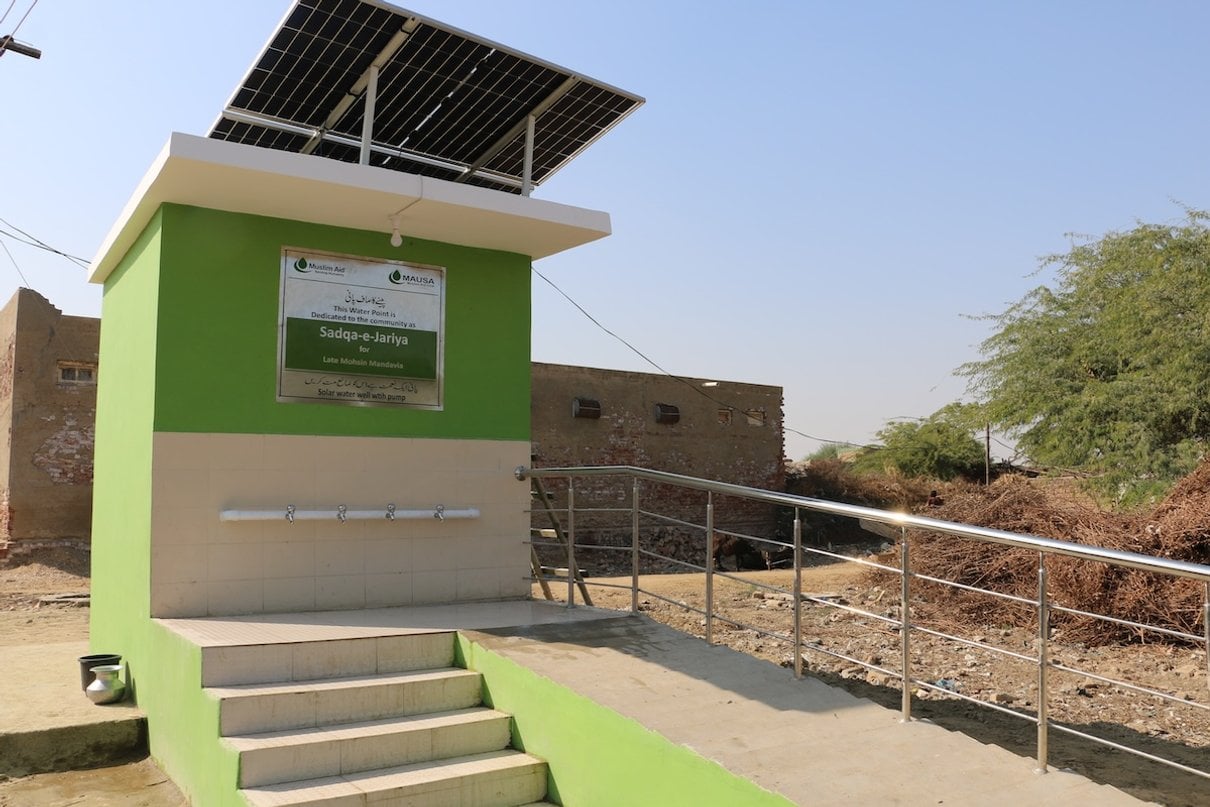
The central offer is a donation towards clean-water access in communities where unsafe sources, drought or distance create daily risk. The most distinctive detail is the use of solar-powered water wells in Pakistan. They are designed to draw water from deep underground without relying on fuel or grid electricity, making them suitable for remote and off-grid locations.
- Renewable operation: solar energy helps reduce running costs and dependence on fuel.
- Remote-ready design: the model is intended for communities where conventional infrastructure is difficult.
- Daily usefulness: water can support drinking, cooking and basic hygiene.
- Community scale: the larger options are designed around shared access rather than a single household.
The page also makes the buying experience refreshingly concrete. You are not asked to choose an abstract percentage or a vague impact label. Instead, the available amounts describe what a contribution could provide. That wording is important: outcomes depend on need, location and project conditions, but the tiers give the service a clear shape.
Giving options
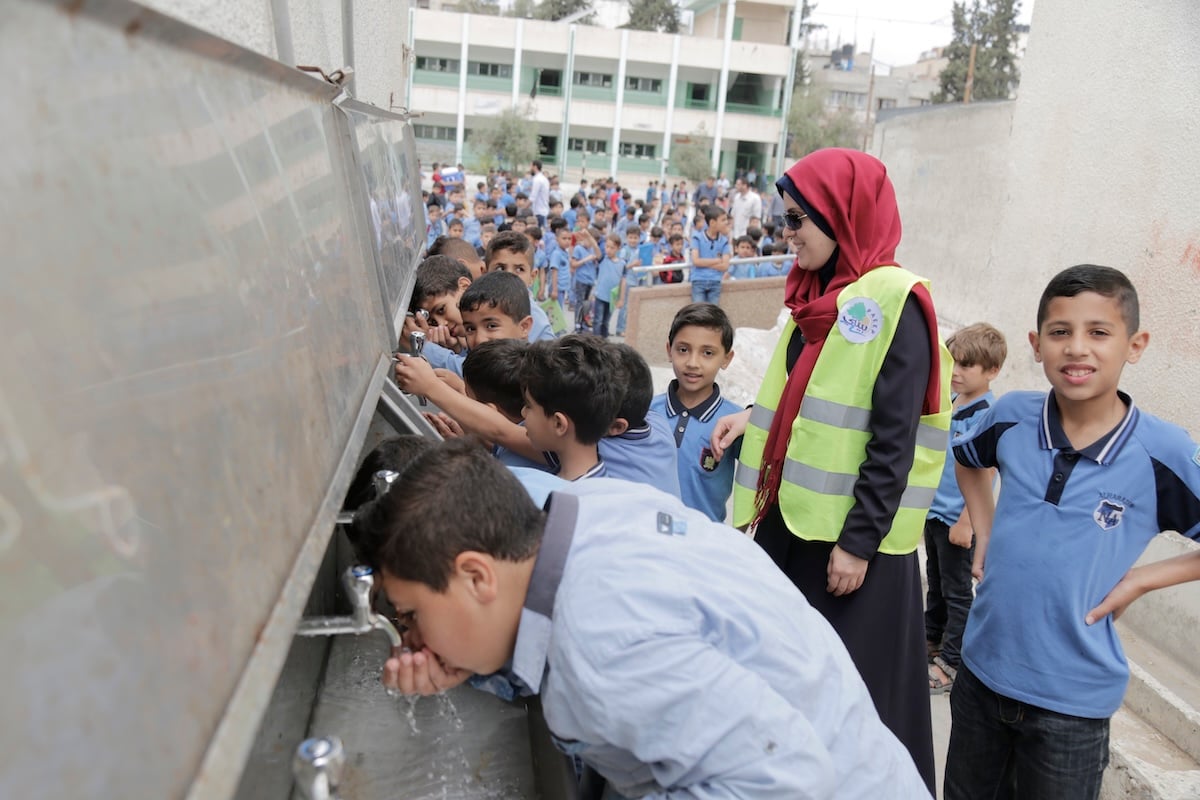
- Smaller gifts could provide clean drinking water to a family in an emergency.
- Regular gifts could provide vulnerable communities with uninterrupted access to safe water.
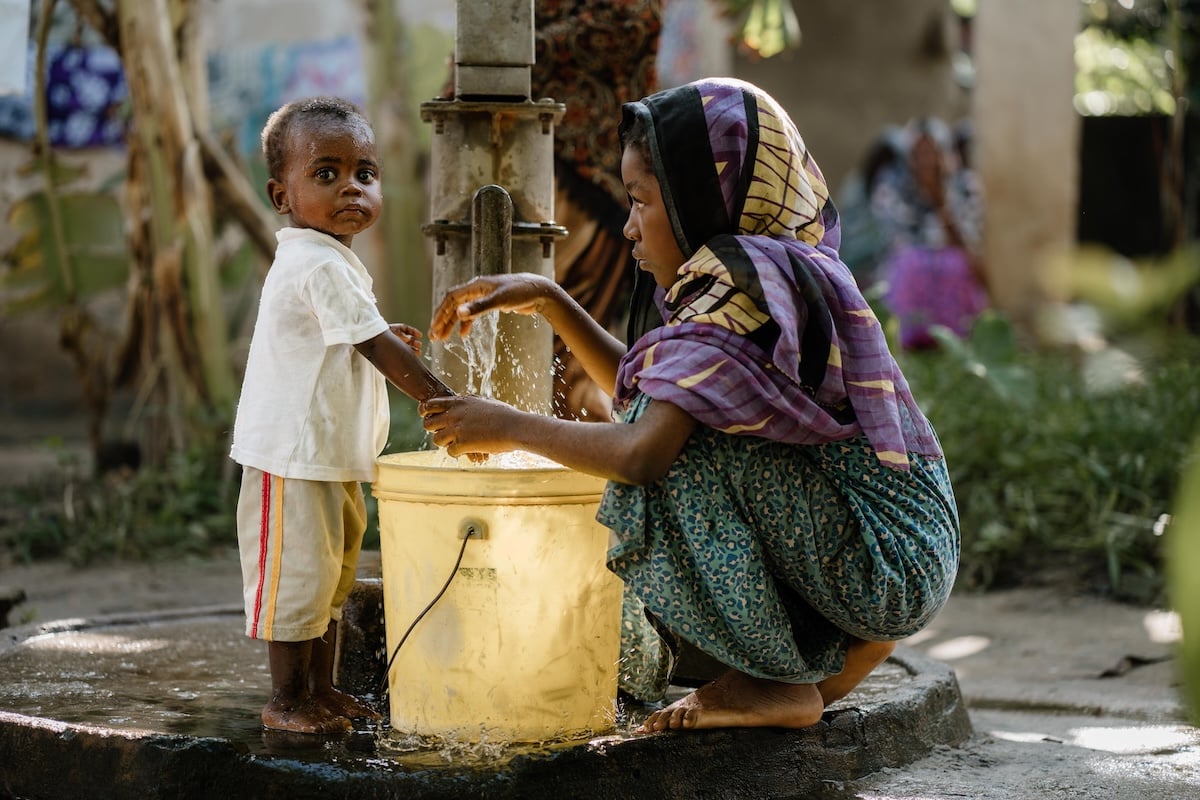
- A water hand pump could provide life-saving support for a community.
- A contribution could help fund one tap from a build water well.
- A substantial gift could build a solar-powered water well on behalf of a loved one.
For most first-time donors, I would start by looking at the smaller water options. They are easier to fit into a regular giving habit and still connect to an immediate human need. If you are marking a wedding, birthday or remembrance, the solar-powered well option is the more substantial route, with a sense of permanence that suits a family gift.
Solar-powered wells
A well is not just about the moment water first arrives. In an off-grid setting, ongoing operation is part of the value. Muslim Aid says its solar-powered wells can work without fuel costs and electricity, which can make them more reliable for communities that cannot depend on conventional services. That is the service’s strongest point: the donation is built around resilience, not just short-term relief.
There is also a useful connection to Muslim Aid’s Sadaqah Jariyah Appeal. That separate service includes a water hand pump, a sewing machine for a widow and a livestock contribution. I see it as the flexible alternative: choose the water page when clean water is your priority, or compare the Sadaqah Jariyah page when you want a livelihood or community asset instead.
- Choose the water service for a clean-water outcome.
- Choose Sadaqah Jariyah for a lasting livelihood or asset.
- Choose Child Sponsorship for longer-term support around education, family income and community welfare.
- Choose the Zakat Appeal when you are fulfilling an eligible religious obligation.
The donation process
The process is straightforward. Open the Give Water, Save Lives page, choose a single or regular payment, select an amount, then decide whether the gift is Sadaqah, Zakat or general donation where that option is available. The page also includes a donation field if the preset amounts do not match what you had in mind.
- Choose single or regular payment.
- Compare the stated outcome beside each amount.
- Select the donation type that matches your intention.
- Review the payment details and complete the donation.
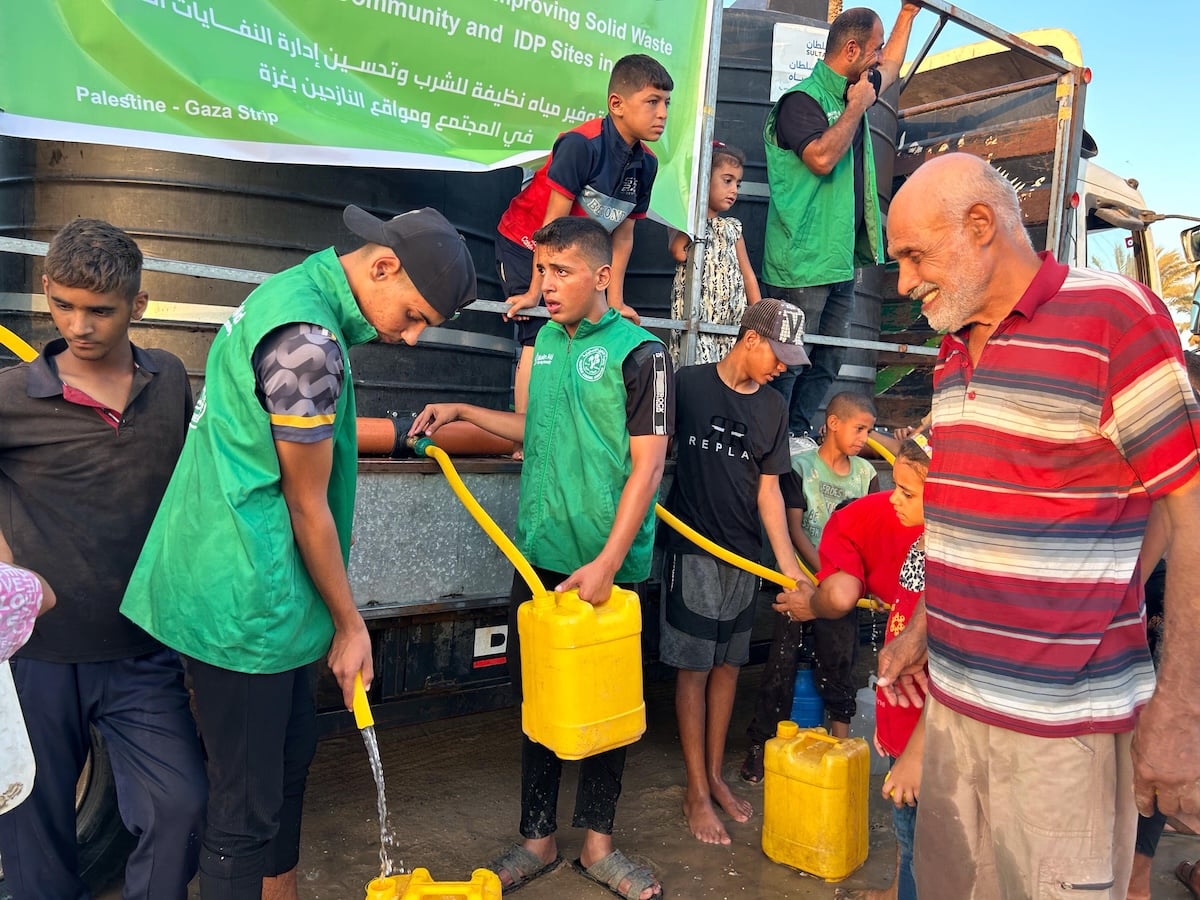
That clarity makes the service easy to buy as a personal act of giving, a family contribution or a meaningful gift in someone’s name. Before paying, I would read the current page carefully because appeals, currencies and project availability can change. The site also explains that the wider programme can include Gaza, Somalia and Syria, so the exact project location may vary with the greatest need.
Service strengths
- Specific tiers make the service easy to understand.
- Solar power gives the flagship offer a strong sustainability angle.
- The well option works for both everyday giving and commemorative gifts.
- Muslim Aid provides several related services if water is not your priority.
Keep in mind
- The listed outcomes use “could provide” language, not a guaranteed one-to-one delivery promise.
- Project locations and payment options may change.
- A full well is a significant commitment, so smaller regular gifts may suit more people.
- Read the Zakat guidance separately if your donation is religiously restricted.
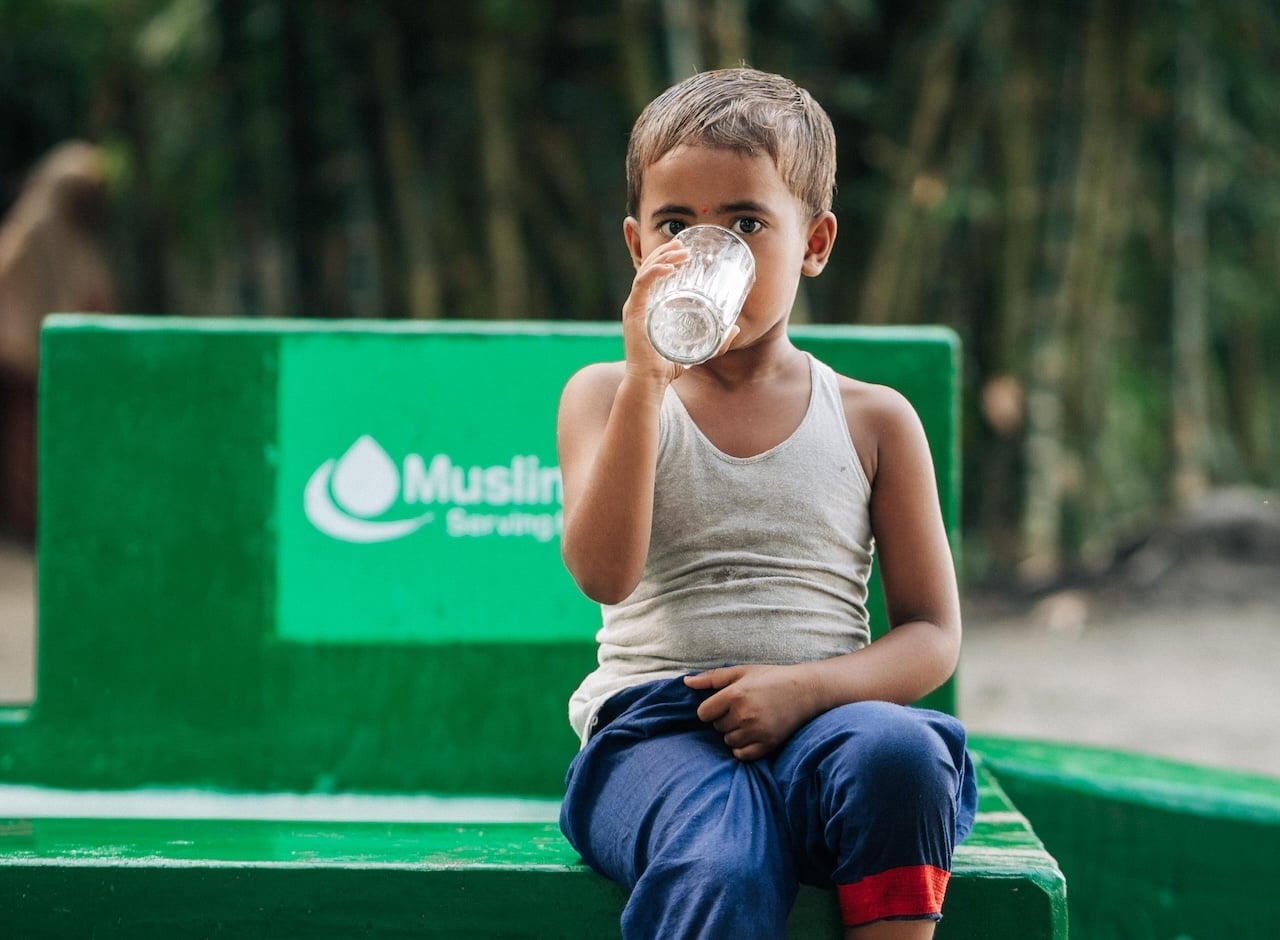
If you prefer your giving to stay focused on a child’s education and family support, Muslim Aid has a separate route worth comparing.
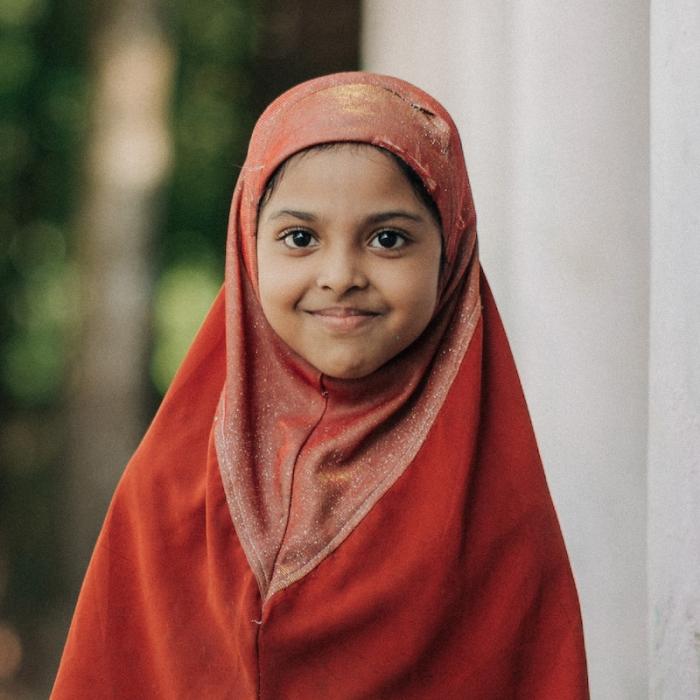
The Muslim Aid choice
Give Water, Save Lives is the Muslim Aid service I would shortlist when the goal is a tangible, long-term contribution. The combination of solar-powered infrastructure, accessible smaller tiers and a clearly explained well option gives it more personality than a generic donation form. It is especially compelling for donors who want their giving to support health, dignity and daily independence at the same time.
Start with the amount that feels sustainable, check the current project information, and use the official Muslim Aid water page for the latest choices. If your intention is different, the monthly Child Sponsorship service and Zakat Appeal options give you sensible alternatives without losing that same focus on practical impact.