
Choosing pond equipment is easier when you start with the water, not a product list. A fountain, an air pump and a treatment can all play a role, but they solve different problems. Before spending, note what you actually see: sluggish surface movement, fish gathering near an outlet, or organic debris settling on the bottom.
We reviewed Pondkeeper’s UK product information and use it here to map those signs to practical options. The retailer has a broad pond range and says its team offers advice by phone, web chat, email and in store, which can help when pond size, stocking and filtration complicate the choice.
When you shop through the links in this article, the retailer may pay us a commission. Your price stays the same.
The short version
- Identify the main job first: surface movement, added aeration or organic debris management.
- PondXpert Floating Aerator Pump 20000 is a floating option for shoppers who want visible water movement alongside aeration.
- PondXpert SolarAir 200 Plus is a panel-powered air-pump option; confirm the panel location and the product’s setup details.
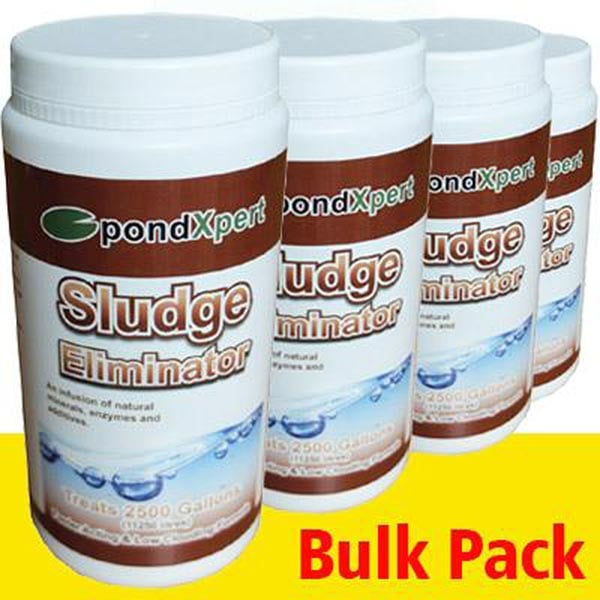
- PondXpert Sludge Eliminator addresses organic debris as a treatment, not as a replacement for circulation or filtration.
Read the pond
Spend a few minutes observing before comparing models. A surface that barely moves points towards circulation or aeration questions; visible debris points towards maintenance. Fish behaviour can also be a prompt to review oxygenation, but it is not a diagnosis on its own. Consider water temperature, stocking, shade and the filter setup together.
- Note the pond’s approximate volume and deepest point.
- Check where the existing pump sends water and whether the outlet is clear.
- Look for a suitable place for a solar panel, if choosing solar equipment.
- Record whether the priority is oxygenation, a display, or routine debris control.
These notes make category browsing more useful. Pondkeeper groups products across air pumps, fountain pumps, filters and treatments, so begin with the relevant department and check its selection guidance rather than assuming a single pump covers every job. Its pond pump range and air pump section are sensible starting points for comparing roles.
Match the function
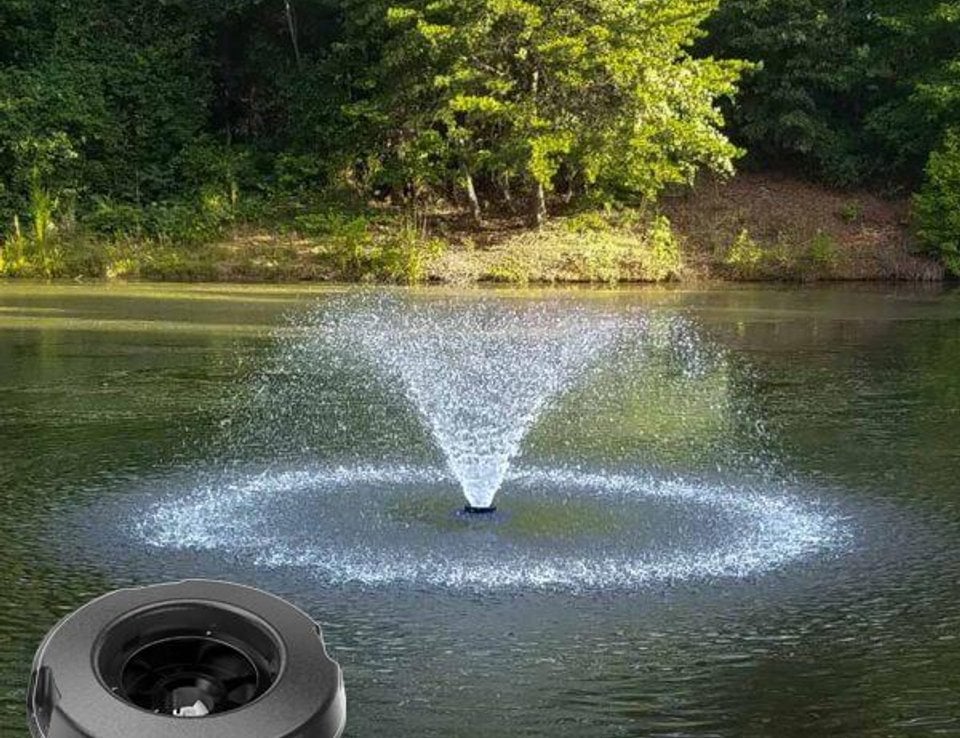
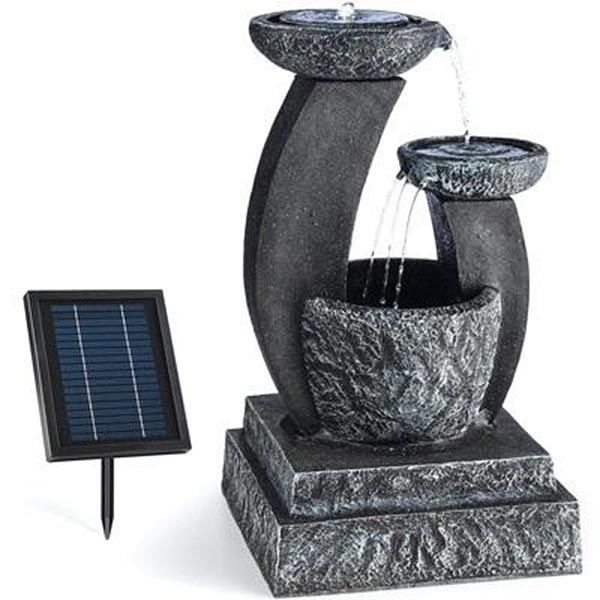
For visible movement, shortlist a fountain or floating aerator and check its stated application against your pond. The PondXpert Floating Aerator Pump 20000 combines a floating format with a fountain-like display. Its product page is the place to check the installation requirements and whether its capacity suits the pond. Don’t treat a showy plume as proof that oxygen levels are adequate throughout the water.
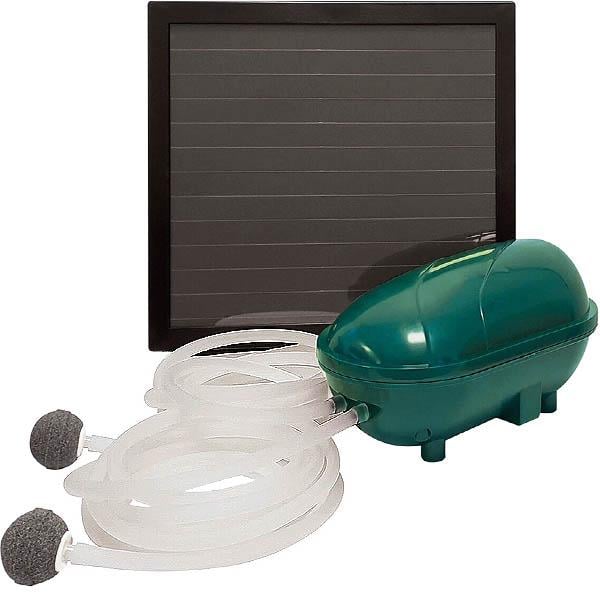
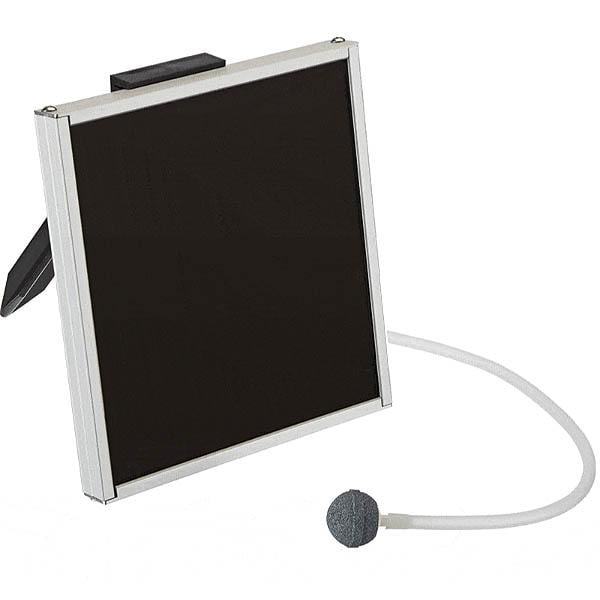
Where aeration is the goal, an air pump and airline deliver air separately from a fountain display. Pondkeeper lists the PondXpert SolarAir 200 Plus as a solar-powered option with a panel and air line. Check whether the panel will receive suitable light, where the pump can sit, and what is included. Solar output varies with conditions, so a solar model may not behave like a mains-powered setup in every garden.
For a compact garden pond, compare the panel footprint and cable or airline route before choosing. If access to a sunny position is awkward, review the retailer’s other solar pond equipment and pond aeration choices against your layout. The included instructions should settle operating details that a category page cannot.
Plan routine care
Aeration does not remove settled waste, and treatments do not replace a working filter. If accumulated organic matter is the concern, the PondXpert Sludge Eliminator is listed as a blend of beneficial organisms and natural minerals for breaking down debris and fish waste. The product information says to mix the powder with pond water before applying and to follow the specified dose. Check the label for the right amount for your pond and confirm compatibility with your setup.
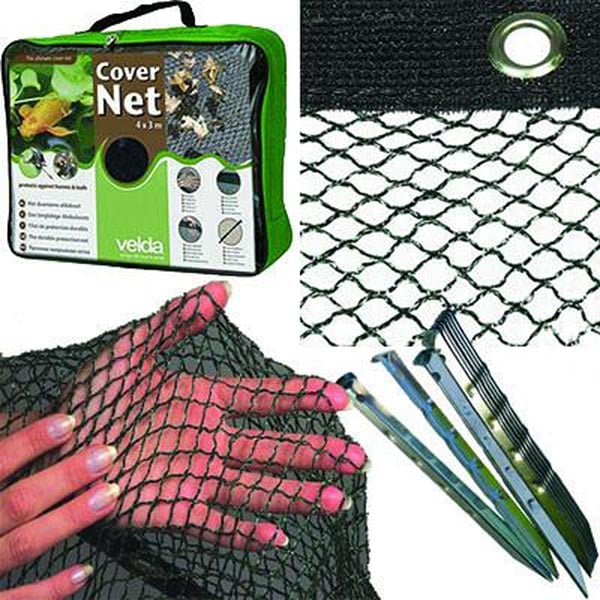
Build the rest of a maintenance routine around observation and small repeatable tasks. A net can help remove leaves before they break down, while filter checks and water testing help distinguish a debris problem from a wider water-quality issue. Pondkeeper’s pond treatments, pond nets and water-care supplies cover different parts of that routine.
- Remove leaves and visible debris before they settle.
- Keep the filter’s cleaning schedule and media requirements in view.
- Use a treatment only when its stated purpose matches the issue.
- Recheck water movement and fish behaviour after changing equipment.
Compare the shortlist
Use the table as a first filter, then check the individual product pages for current compatibility details and what is supplied. Pondkeeper stocks products from several manufacturers, so the product brand and retailer are not interchangeable.
| Option | Best matched to | Check before choosing |
|---|---|---|
| PondXpert Floating Aerator Pump 20000 | Visible movement and aeration | Fit for pond size and placement |
| PondXpert SolarAir 200 Plus | Solar air delivery | Panel position and setup |
| PondXpert Sludge Eliminator | Organic debris treatment | Label directions and pond volume |
If none is a direct match, pause and review the pond’s existing pump, filter and water conditions before adding another device. The Pondkeeper product pages provide model-specific information, and the retailer says its support team can answer setup questions. We would use that help to confirm compatibility rather than buying on a headline feature alone.
Reasons to shortlist
- The range separates air pumps, fountain pumps and treatments by function.
- Product pages give a starting point for matching equipment to a pond task.
- Solar and floating formats can suit gardens where routing mains power is inconvenient.
Checks before ordering
- Published listings do not replace a full assessment of pond volume, depth and stocking.
- Solar performance depends on panel position and available light.
- A treatment is not a fix for blocked equipment or an unsuitable filtration setup.
Summing up
Choose by the problem you can observe, then verify capacity, placement and instructions on the exact listing. For water movement and aeration together, start with the floating aerator; for solar air delivery, compare the SolarAir; for settled organic debris, review the Sludge Eliminator directions. That makes Pondkeeper a practical place to build a shortlist across connected pond-care needs.
The limitation is that no single option suits every pond, and a product page cannot diagnose water quality. Use Pondkeeper’s advice if the pond’s size, fish load or existing equipment makes the choice uncertain.