
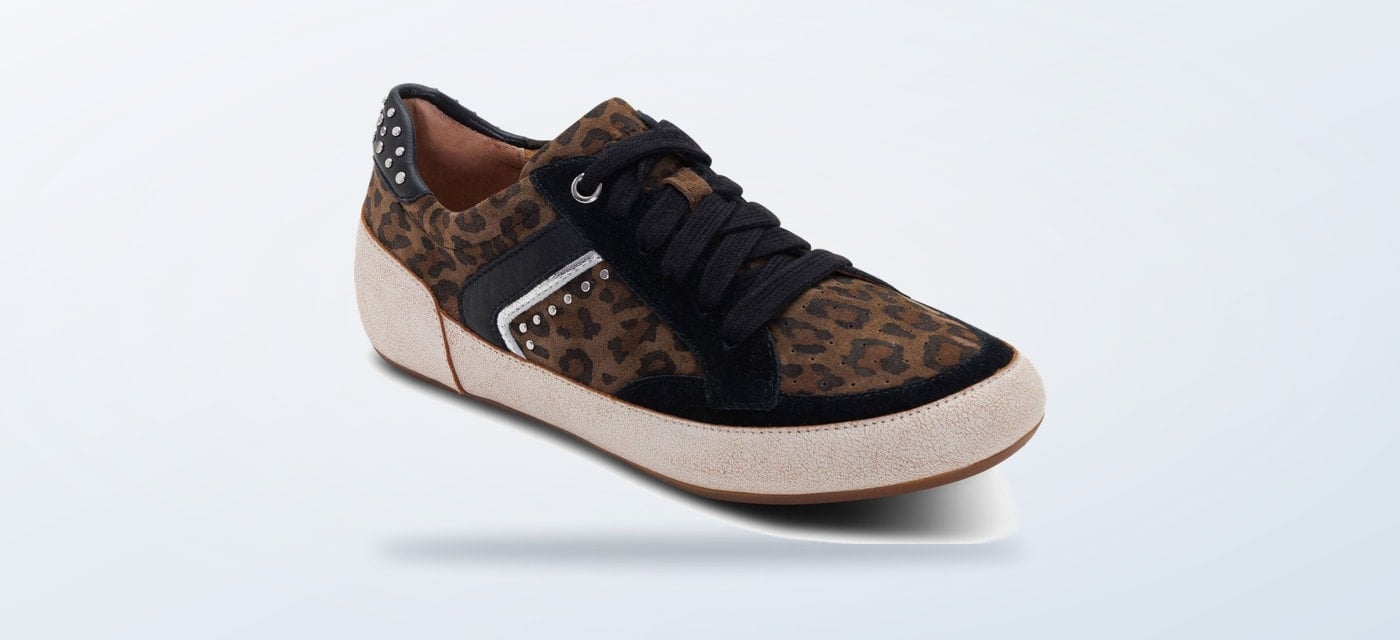
We trace Aetrex’s support-led design story, representative styles, and fit questions so first-time readers can decide where the range belongs in their footwear search.
For a first-time reader, Aetrex can look like a footwear label with a larger idea behind it. The store brings together everyday shoes, orthotics, fit technology and foot-care accessories, with support treated as part of the design brief rather than an afterthought.
The useful question is not whether every style will suit every foot. It is how the brand connects its technology story to recognizable wardrobe categories, and what a shopper should check before choosing one.
This article contains affiliate links. If you buy through them, we may earn a commission at no extra cost to you.
At a glance
- Aetrex connects everyday footwear and orthotics through built-in support, cushioning, and fit-focused design.
- The range covers sneakers, loafers, sandals, clogs, and orthotics for different routines and wardrobe needs.
- Maria, Collette, Bondi, and Jillian show how the support proposition travels across distinct silhouettes.
- The brand says its development is informed by real foot-scan data, but personal fit still needs checking style by style.
A brand built around the foot, not just the shoe
Aetrex’s own technology story starts with a three-dimensional foot scan. The brand says its footwear and orthotics are built from data gathered through millions of real foot scans. Read carefully, that is a design and development claim, not a promise that one scan-informed shoe will solve an individual concern.
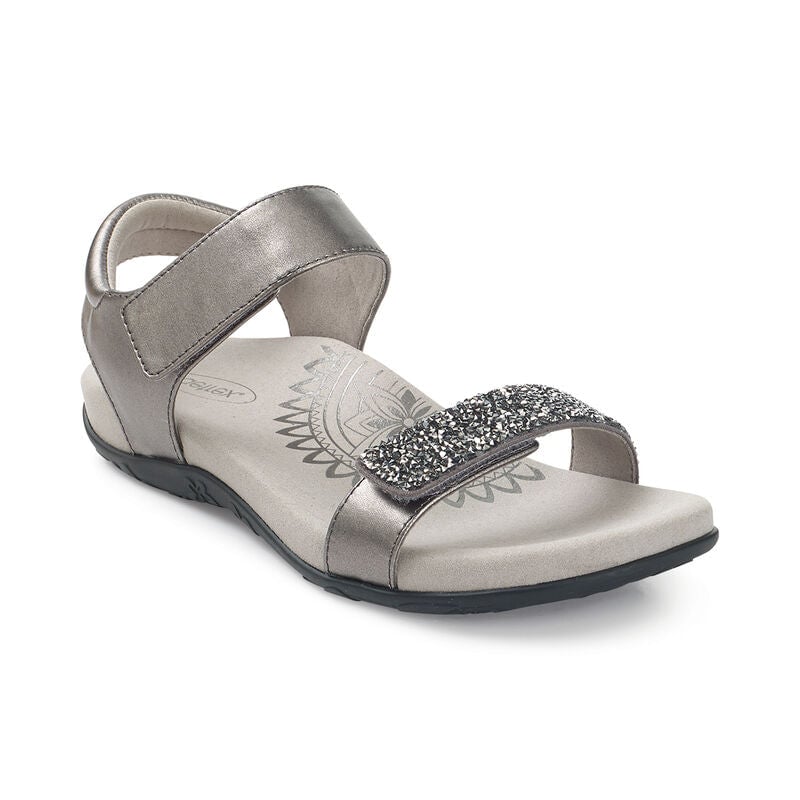
That distinction gives the brand a clear position. Aetrex is not only presenting a technical insert or a clinical-looking shoe. It is trying to make support visible in sandals, loafers and sneakers that can fit ordinary wardrobes. Its named systems include Signature Arch Support, memory foam, UltraSky cushioning and, on selected styles, BioRocker technology. Readers can compare the brand’s technology-led range with its orthotic options.
Across the store, the practical features to compare include:
- Arch support: the central feature described across many footwear and orthotic pages.
- Cushioning: memory foam and lightweight EVA or UltraSky materials, depending on the style.
- Adjustability: straps, hook-and-loop closures, stretch panels or an adjustable vamp on selected designs.
- Category choice: collections organized around activities, conditions, width needs and everyday occasions.
How the range translates into real wardrobe choices
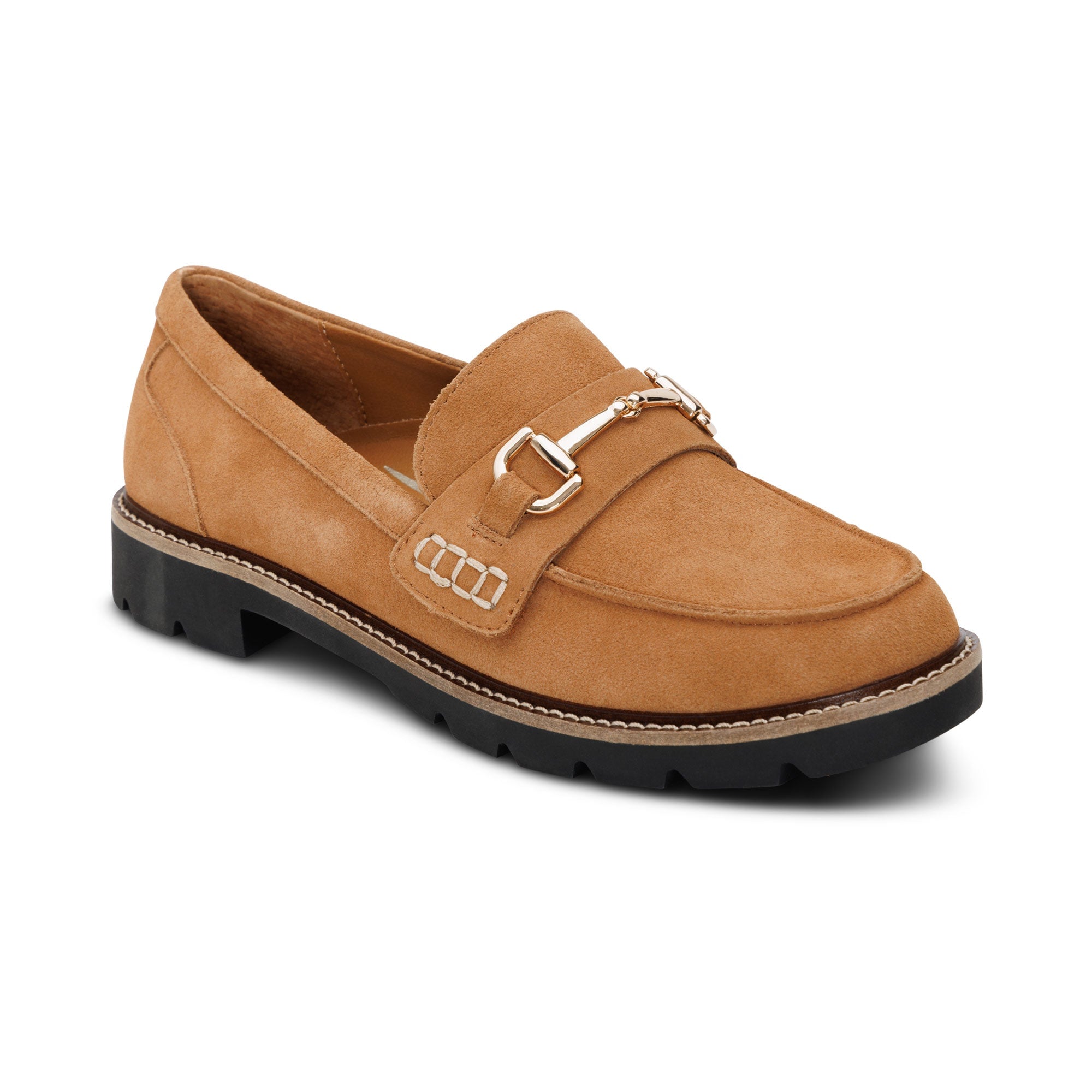
The range is broad enough that the product page matters more than a general brand label. The Collette Arch Support Loafer is a useful example of the workwear side: Aetrex describes a tan suede upper, an adjustable vamp and a lightweight outsole. It shows how the brand carries a support conversation into a familiar loafer rather than isolating it in athletic footwear. The store’s women’s footwear selection gives that context across silhouettes.
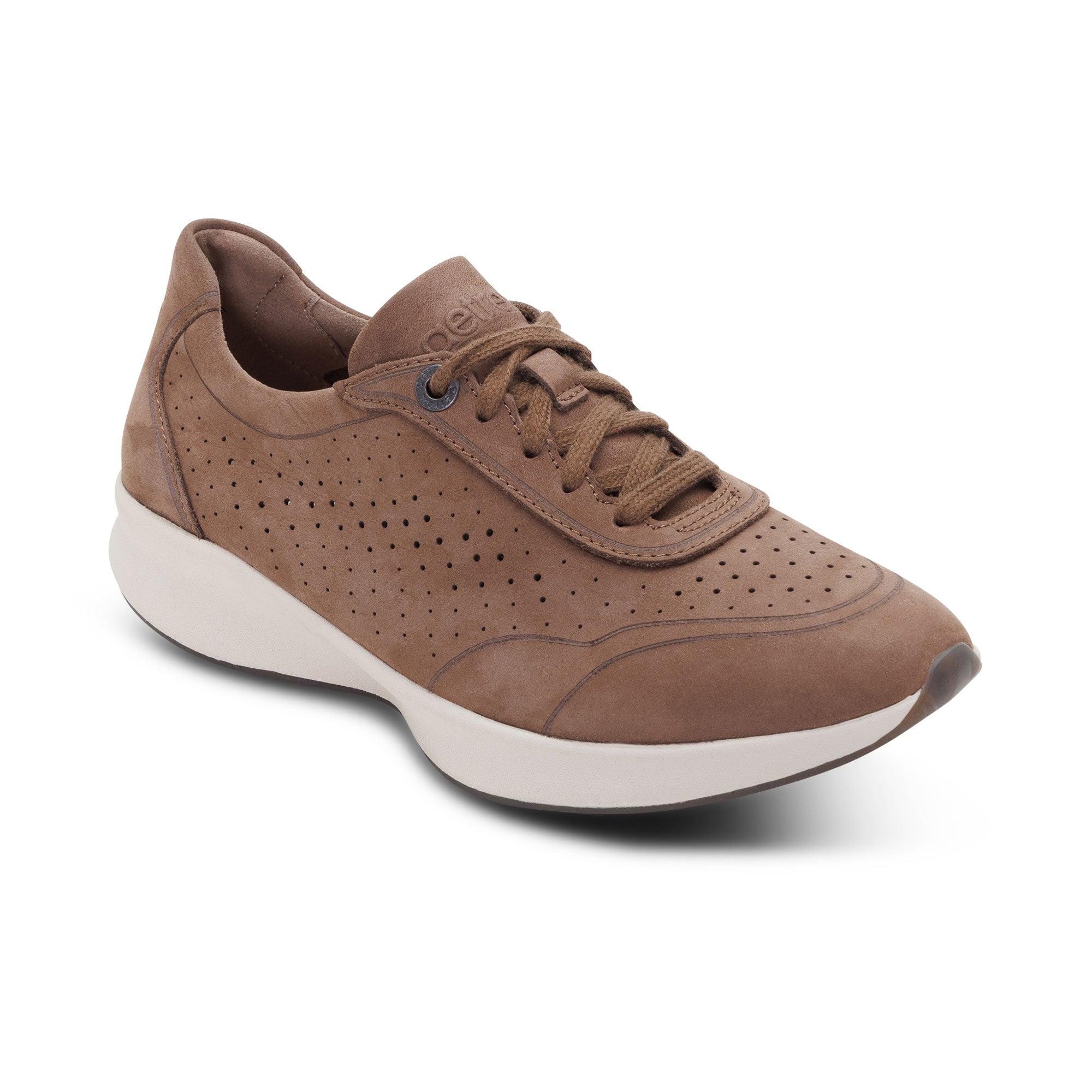
For walking and closed-shoe routines, Serena is presented as an arch-support sneaker with a removable insole, padded heel and lightweight UltraSky cushioning. Readers comparing Aetrex sneakers should still check the listed width, upper materials and insole details for the exact colorway. The new-arrivals page is another way to see how the support story is updated in seasonal shapes.
On the more relaxed end, the Bondi Orthotic Clog uses injected EVA and a soft foam toe-post design according to its product description. The format makes sense for casual, warm-weather use, while its open construction is a reminder that support does not remove the need to match a shoe to the setting.
The Jillian Braided Quarter Strap Sandal adds a more decorative option. Aetrex describes it with Signature Arch Support, memory foam cushioning and adjustable straps. That combination is central to the brand’s appeal: familiar fashion categories with more information about what sits underfoot.
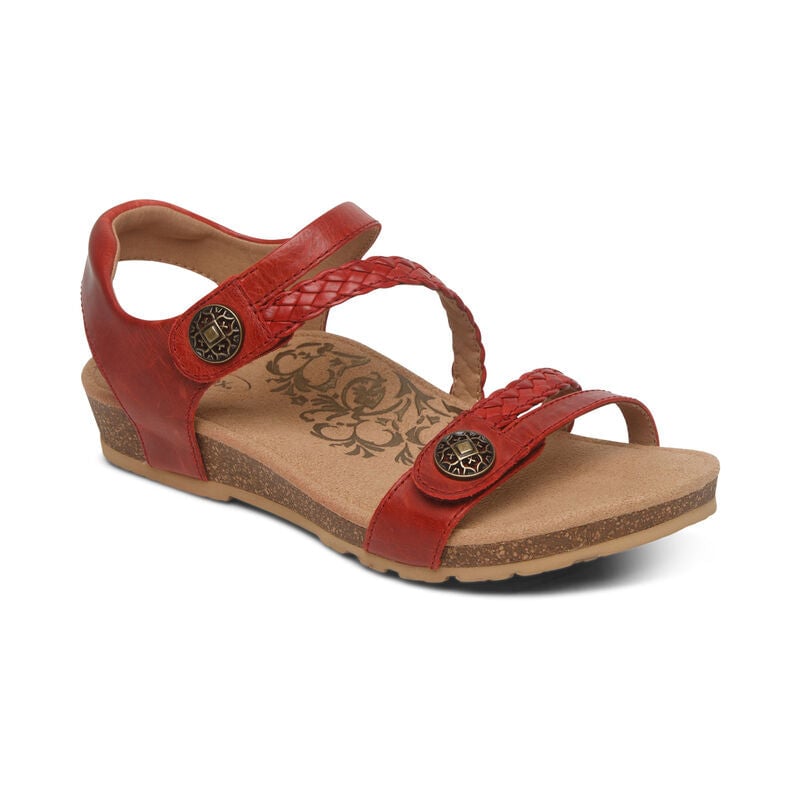
That mix of adjustability and ornament is a useful reminder that support is not one visual language. The right comparison depends on how much structure, coverage and styling the occasion calls for.
What first-time shoppers should compare
Aetrex gives readers a helpful vocabulary, but the decision is still personal. Before choosing a style, we would compare:
- Use case: decide whether the shoe is for daily walking, work, travel, warm weather or occasional wear.
- Fit controls: look for adjustability, width options, removable insoles and the closure that best matches your foot volume.
- Construction: compare the upper, outsole, cushioning material and heel design rather than assuming every Aetrex shoe feels the same.
- Return and wear information: check the store’s current policies and the exact product page before ordering.
The brand’s condition-led collections can also help narrow the search, including pages for plantar fasciitis, flat feet, high arches, bunions and wide widths. These labels are useful starting points, not a substitute for professional advice when pain is persistent or a medical condition is involved. Readers can also review current fit guidance before narrowing the shortlist.
Who the Aetrex story is for
- Everyday walkers who want to compare support and cushioning within a sneaker category.
- Workwear shoppers who prefer a loafer or closed shoe with named fit features.
- Warm-weather dressers who want sandals with adjustable straps or built-in support.
- Style-conscious comfort shoppers who want more choice than a purely clinical-looking shoe.
It is less straightforward for someone looking for a guaranteed medical solution, a universal fit or a shoe chosen without checking width and closure details. The brand’s strongest contribution is a better set of questions, not a promise that removes those questions.
What works
- Clear design through-line: support appears across multiple footwear categories.
- Useful product language: pages name cushioning, materials, closures and insoles.
- Range flexibility: sneakers, loafers, sandals, clogs and orthotics support different routines.
Keep in mind
- Fit remains individual: scan-informed design cannot predict every wearer’s result.
- Details vary: adjustability, removable insoles and materials are not identical across styles.
- Policies and availability change: verify the exact page before making a decision.
Our verdict
Aetrex has a coherent support-led identity. Its story is most interesting where technology meets ordinary wardrobe categories, and the Maria, Collette, Bondi and Jillian examples show that the range is not limited to one type of shoe.
Our honest limitation is fit certainty. Aetrex is worth considering if you want to compare built-in support, cushioning and adjustable construction across recognizable styles. Read the exact product details, check the current price and policies, and treat any health-related decision as personal rather than guaranteed by the brand story.