
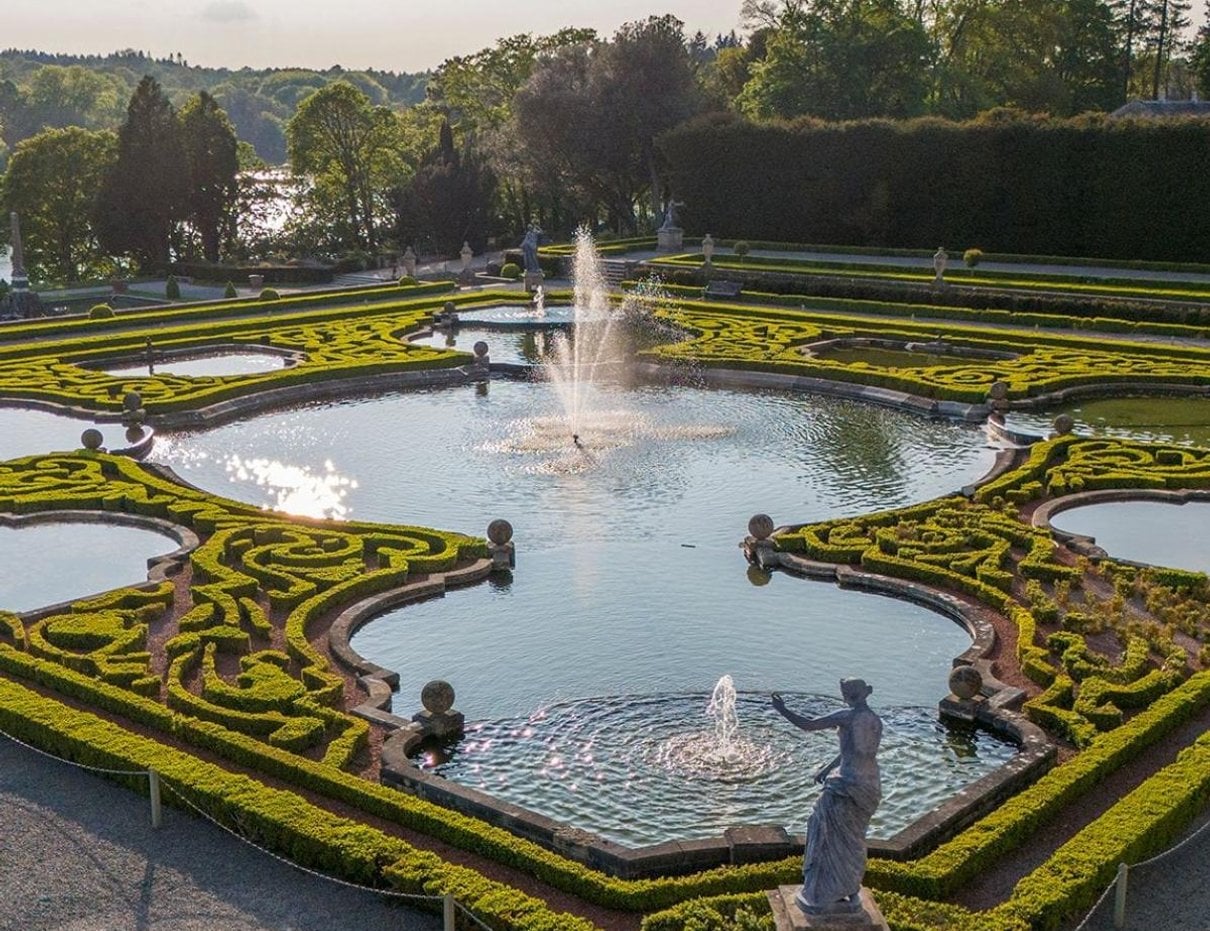
A good day at Blenheim Palace is less about rushing through every attraction and more about putting the right experiences in the right order. The Oxfordshire estate combines a historic palace, formal gardens, wide parkland, family activities, dining and seasonal events, so a little planning makes the visit feel generous rather than tiring. Use this guide to build a day around your group’s pace, then check the current ticket options before you commit.
- History first: allow time for the palace interiors and exhibition spaces.
- Outdoors first: start with gardens and parkland while everyone has energy.
- Family focus: make Adventure Play the fixed point of the day.
- Slow travel: leave room for lunch, photographs and unplanned views.
Step 1: choose the anchor experience
Start by naming the one part of the visit nobody wants to miss. For first-time visitors, the Adult Palace, Park & Gardens Ticket is listed at £41 and gives you a straightforward foundation: the palace, formal gardens and parkland in one visit. A family group may prefer the Family Palace & Play Ticket, listed at £165 on the site, because the play attraction gives younger visitors a clear destination rather than asking them to enjoy history at the same pace as adults.
Make that anchor your booking decision, not an afterthought. Check the ticket page for the live date, entry terms and availability, then note the opening information for the Adventure Play experience. The practical win is simple: everyone knows what the day is built around.
Step 2: match the route to your group
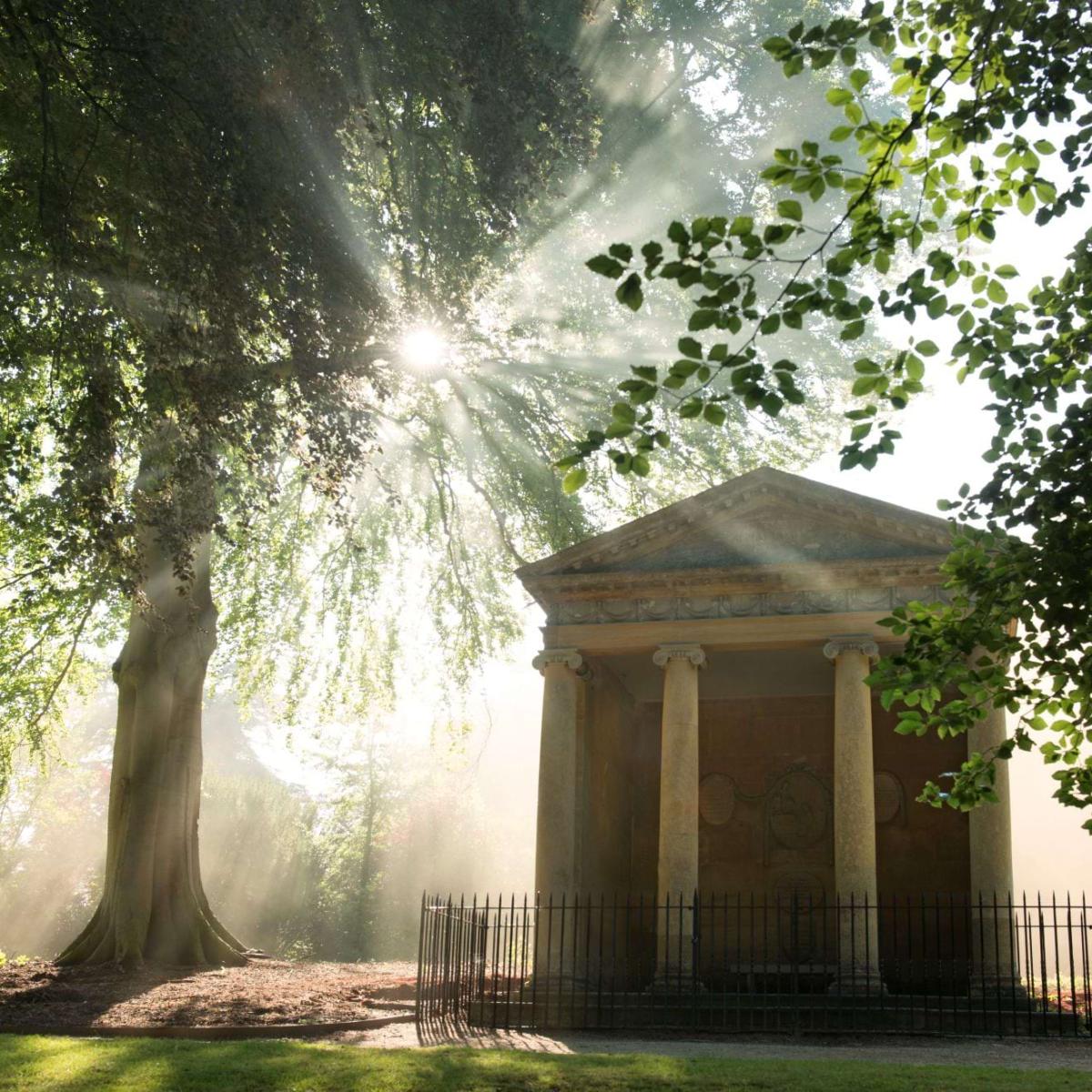
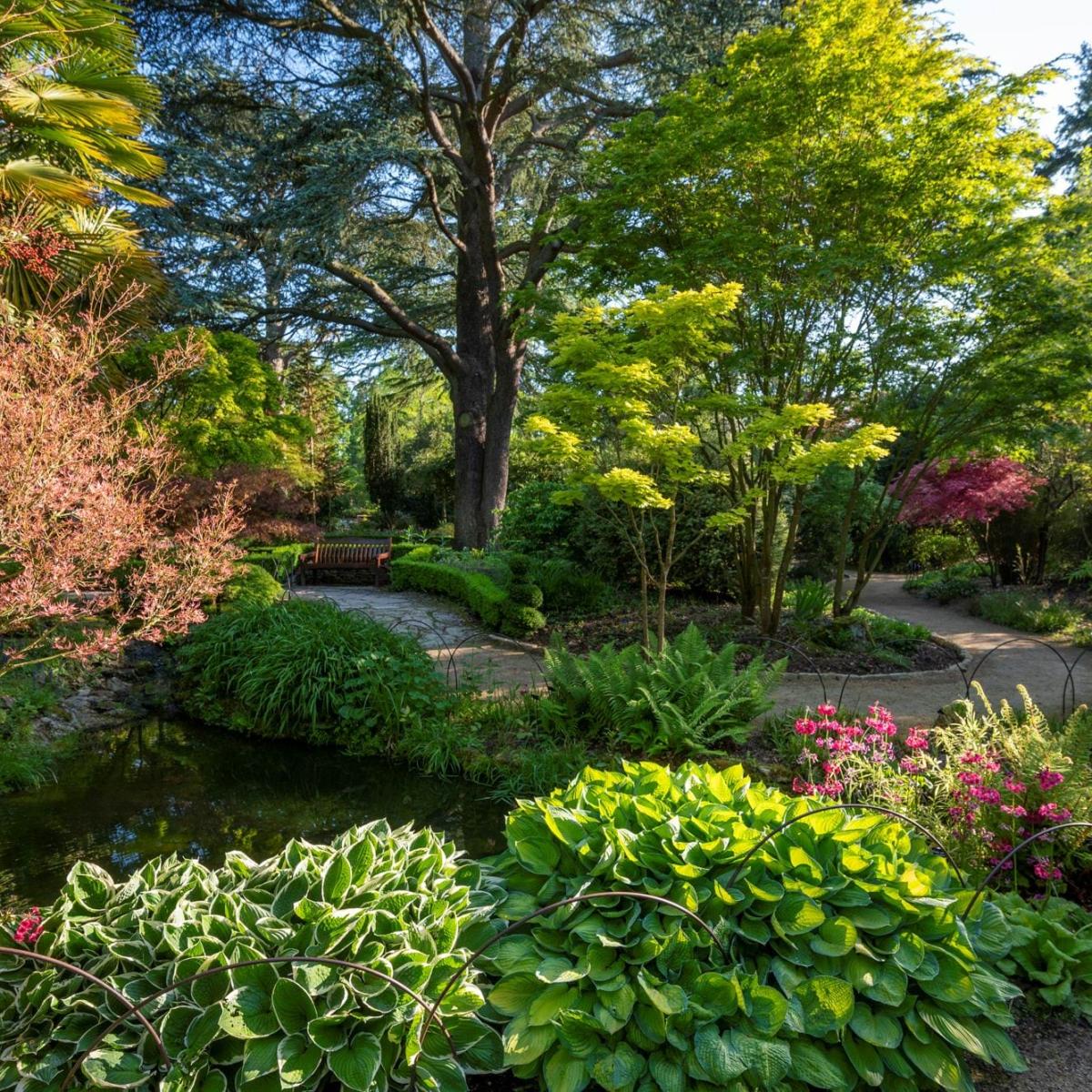
Next, choose between a loop and a sequence. The Gardens and Parkland are the flexible part of the itinerary: they reward a long wander, but they can also provide a shorter reset between indoor visits. Look at the garden information before arrival and pick only two or three features to seek out.
- For a history-led day, visit the palace before a relaxed garden walk.
- For photographers, start outdoors, then use the palace as a cooler midday stop.
- For mixed ages, put the longest walking section beside a planned rest.
- For limited mobility, check the accessibility information before mapping your route.
Keep the route deliberately loose. The estate’s appeal is its scale and variety, and a rigid checklist can turn beautiful spaces into jobs to complete. I would rather see three meaningful stops than collect every viewpoint while the group gets hungry.
Step 3: make the family stop earn its place
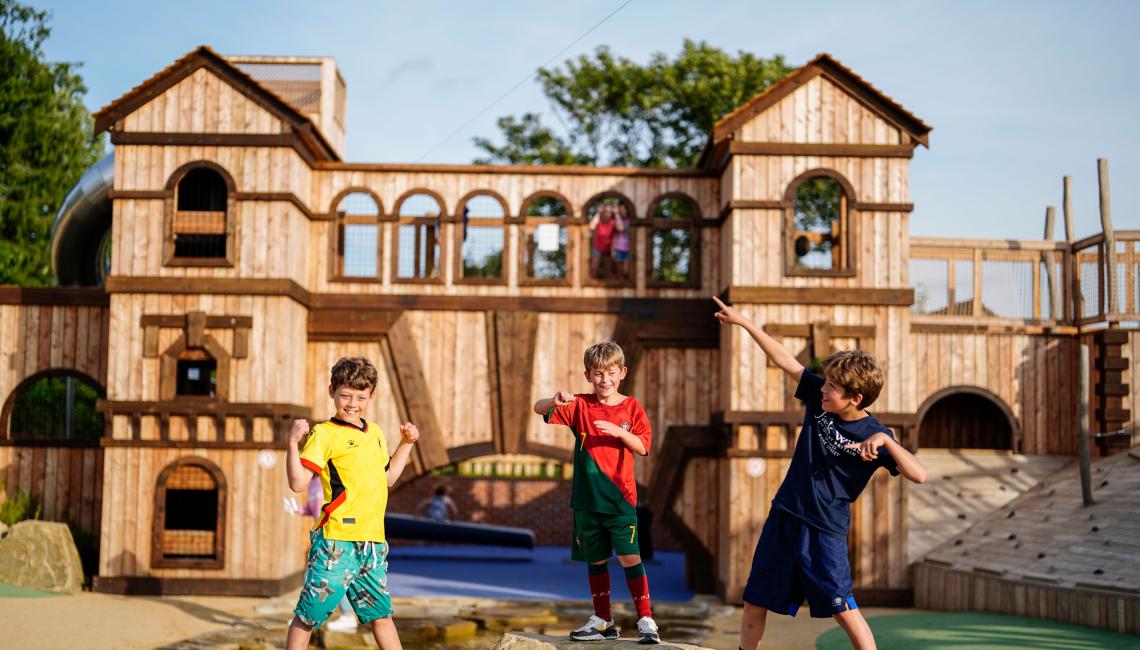
If children are coming, treat Adventure Play as a planned energy release, not a reward you may or may not reach. The attraction gives the day a practical rhythm: explore, play, eat, then choose one final low-pressure activity. Read the Adventure Play details for current access information, and avoid scheduling it immediately before a timed palace entry if your group needs time to dry off, change or regroup.
The family ticket is most convincing when everyone will use the play element. If the adults mainly want architecture and gardens, compare it with the standard Palace, Park & Gardens option instead. That quick price-and-purpose check keeps the booking honest.
Step 4: schedule food before everyone needs it
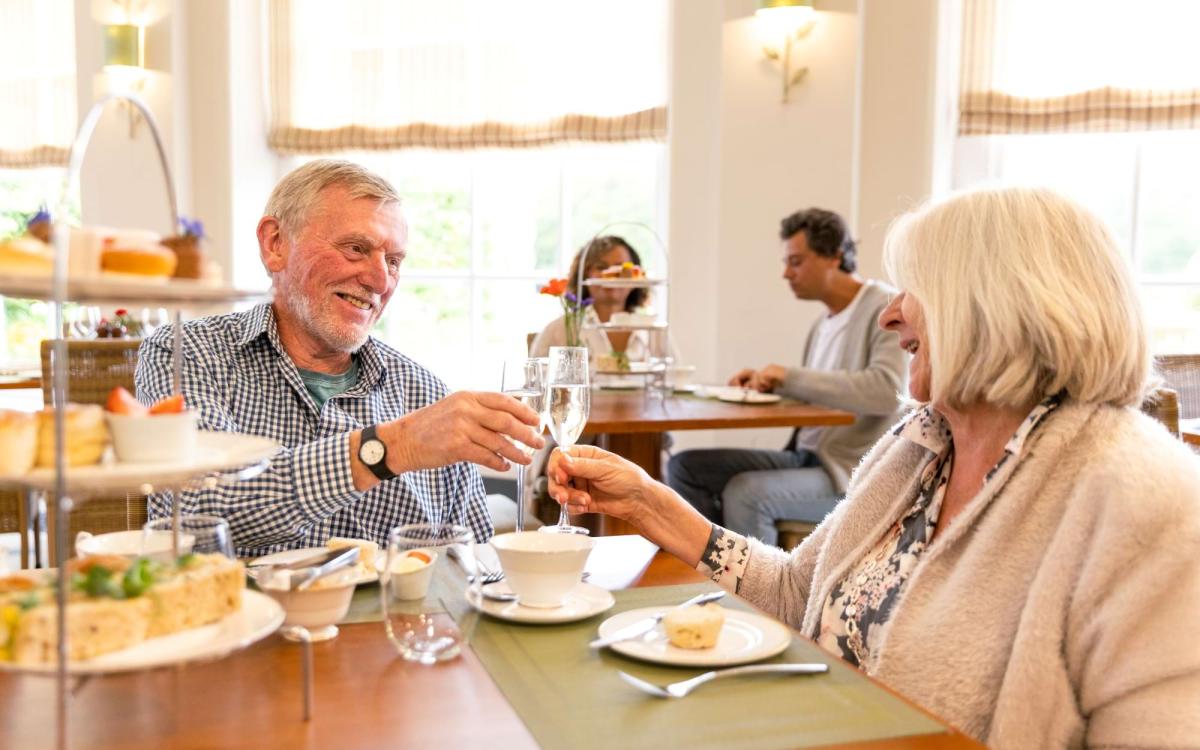
Do not wait for the first complaint about hunger. The Orangery Restaurant is a natural midpoint for a slower itinerary, with a setting that suits a proper pause. Check the Orangery page for current menus and service details, especially if you want lunch or afternoon tea rather than a quick snack.
- Book or check dining details before the busiest part of the day.
- Build in a cushion after Adventure Play for washing up and changing pace.
- Keep a simpler café option in reserve if timings shift.
- Save shopping for the final hour so bags do not slow the route.
Step 5: finish with one small extra
End with something that does not require another major decision. A final parkland view, a quiet garden corner or a browse through the Blenheim Palace shop can close the visit neatly. The shopping page is useful if you want a souvenir tied to the estate rather than a rushed purchase on the way out.

Before leaving, save the gardens page, play page and ticket details to your phone. Those are the three pages most likely to answer a last-minute question about what to do next.
What works
- Flexible day design: palace, gardens and play can be mixed to suit different ages.
- Concrete ticket choice: the standard and family options map clearly to different priorities.
- Strong sense of place: the estate feels like more than a single indoor attraction.
Keep in mind
- Prices, opening times and seasonal access can change, so recheck before travel.
- The estate is spacious; comfortable shoes and realistic walking expectations matter.
- Adventure Play adds value only when your group will genuinely use it.
My preferred formula is simple: choose the ticket around your anchor, map two outdoor highlights, put food in the diary and leave one generous gap. That gives Blenheim Palace room to surprise you while keeping the day comfortable. If that sounds like your kind of outing, start with the live ticket information and build from there.