
Ferry travel becomes much easier when you make the important choices before you reach the port. Irish Ferries connects Ireland with Britain and France, and its booking process lets you match the crossing to your timing, vehicle, group and comfort level. This practical guide takes you through the decisions in the order I would make them.
The useful part is the range: a fast sailing, a cruise-ferry with more room to settle in, cabins for overnight comfort and upgrades for a calmer start. Begin with these five details:
When you shop through the links in this article, the retailer may pay us a commission. Your price stays the same.
- Your departure and arrival ports
- Your vehicle, bike or foot-passenger status
- Daytime or overnight sailing
- Children, pets or accessibility needs
- Your preferred comfort budget
Route first
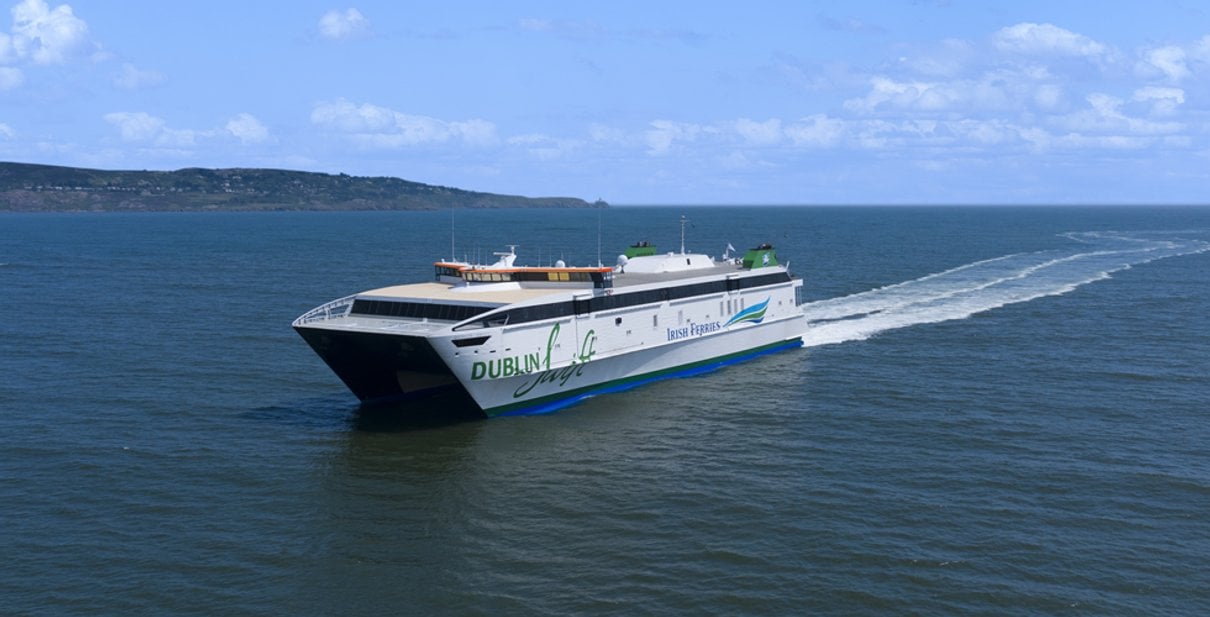
Start with the route rather than the ship name. For Dublin to Holyhead, Dublin Swift is the time-saving choice, with the operator quoting a journey of 2 hours 15 minutes port to port. The fast ferry suits a short break, a business trip or a driver who wants to minimise time at sea. You can check Dublin Swift details before selecting your dates.
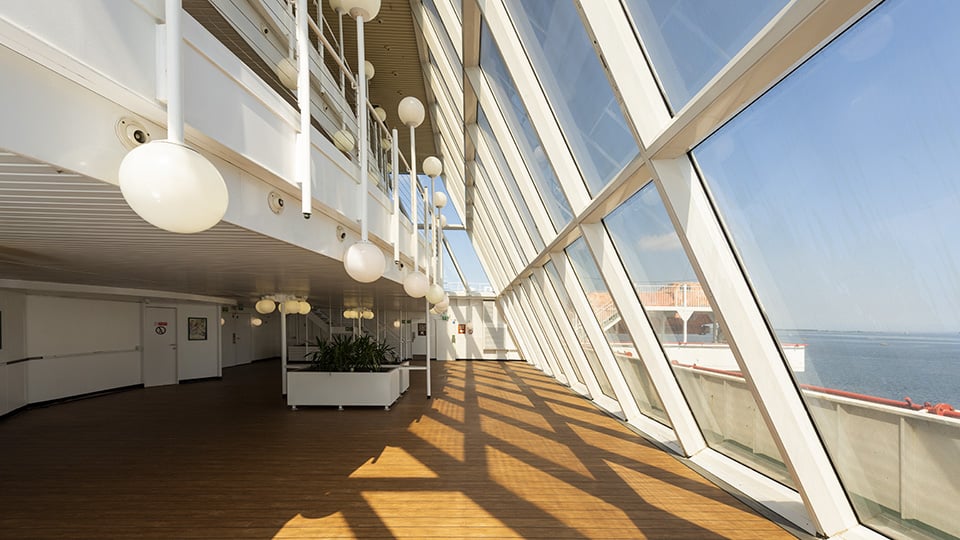
If you prefer a more spacious cruise-ferry experience, Ulysses covers the same Irish Sea route in around 3 hours 25 minutes. Its James Joyce balcony area, lounges and onboard facilities make the extra time feel more like part of the trip. Compare Ulysses sailings with the faster option, then check the current route timetable before committing.
Ship and style
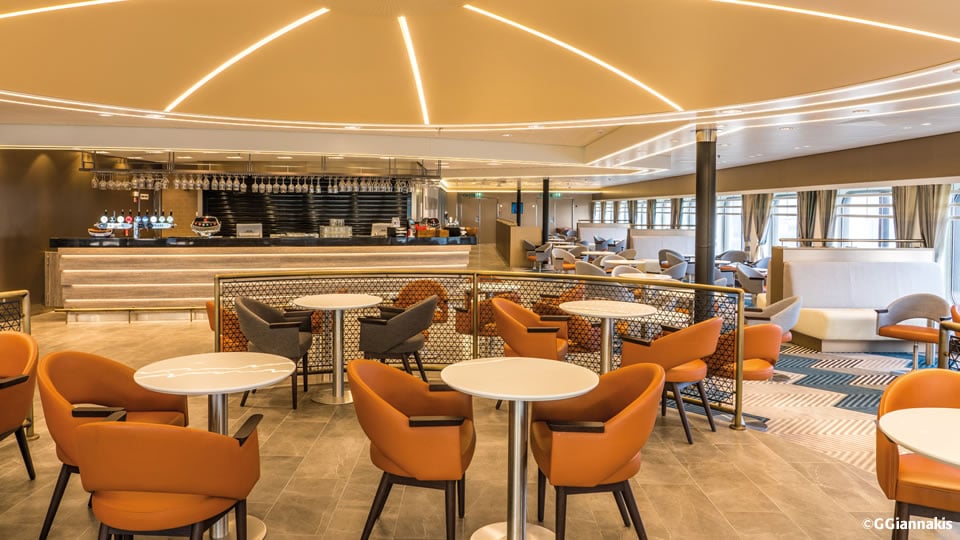
Next, compare what you will actually use onboard. W. B. Yeats is a strong pick for travellers who want restaurants, a cinema, a children’s play area, outdoor deck space and cabins with different comfort levels. Its W. B. Yeats ship page is the best place to review cabin types and facilities, including the 4 Bed Window Cabin and premium suites.
For a family, a pet owner or anyone who dislikes a rushed crossing, make a short needs-based list before you book:
- Families: play areas, cinema and food options
- Pet travellers: pet-friendly cabin availability and deck access
- Accessibility: adapted cabins and proximity to lifts
- Relaxation: quiet lounges, sea views and reserved seating
That simple check prevents you from paying for facilities that do not matter while overlooking one that does.
Cabin comfort
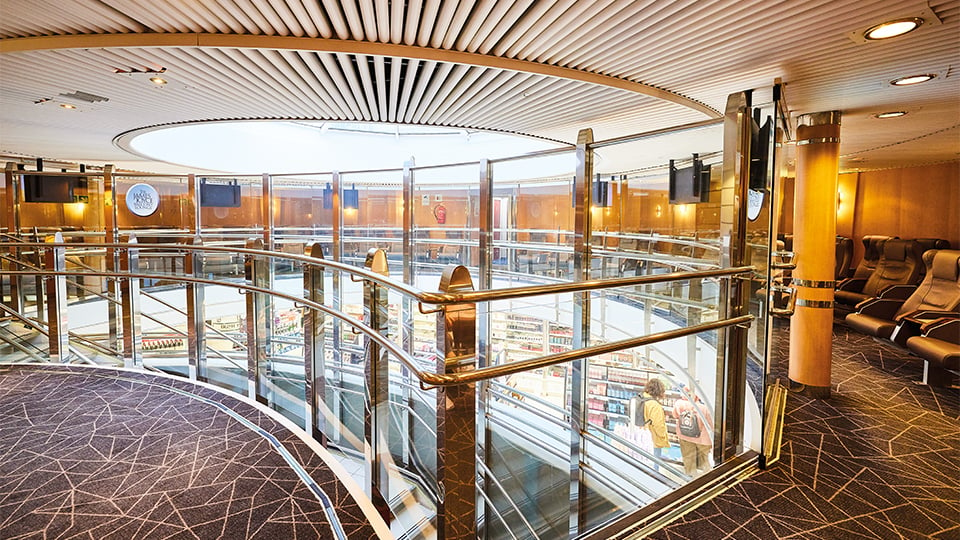
For a night sailing or a longer Ireland to France crossing, a cabin can change the whole experience. The W. B. Yeats range includes inside and window cabins, family layouts, accessible cabins, Deluxe Suites and a Premium Suite with balcony. Prices vary by date, route and occupancy, so use the cabin information and let the booking screen show the live fare.
Choose an inside cabin when sleep matters more than scenery. A window cabin is worthwhile when you want daylight and sea views. For families, check the bed arrangement and whether the layout supports a cot. If mobility is part of your planning, request the suitable cabin early and confirm the current requirements with Irish Ferries before travel.
Club Class
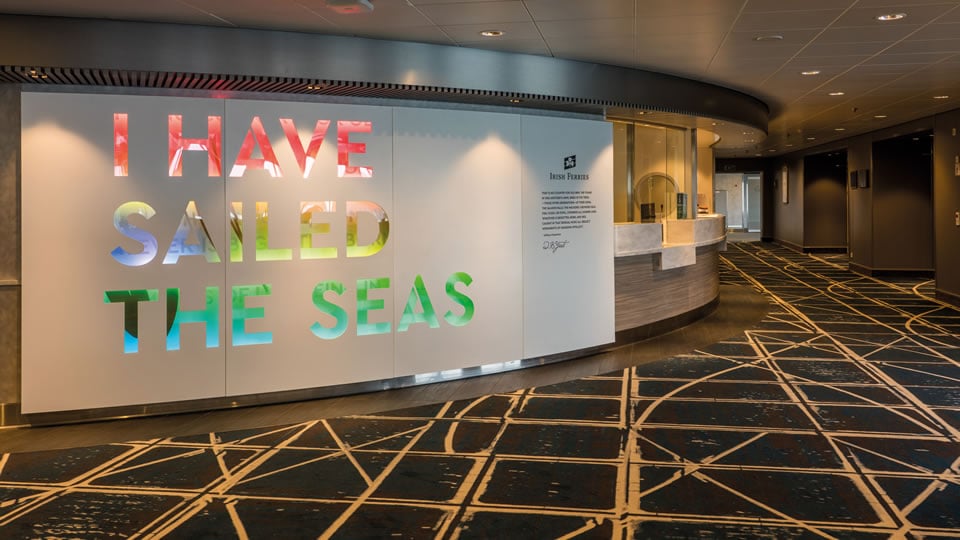
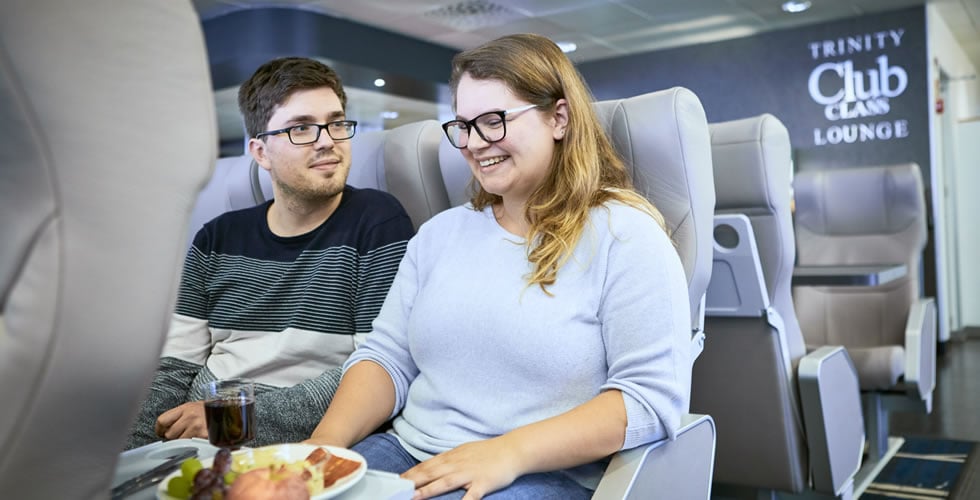
Club Class is the practical upgrade when you value a quieter waiting space and smoother boarding. Benefits can include an exclusive lounge, panoramic views, complimentary soft drinks and snacks, free Wi-Fi, power points and, on Irish Sea routes, priority vehicle boarding. Availability and terms vary by route, including Ireland to France upgrades.
Check the Club Class benefits against your sailing. It makes most sense when you will use the lounge, want a calmer family base or are travelling at a busy time. If you only need a seat for a short crossing, keep the base fare and spend the difference on the option that solves your biggest inconvenience.
Booking checks
Before payment, compare the total rather than the headline fare. Add the vehicle dimensions accurately, confirm passenger details and check the sailing time against your drive to the port. Save your booking reference and review the operator’s latest sailing updates before leaving home.
- Check passports and travel documents.
- Allow time for port check-in.
- Pack medication, chargers and a light layer.
- Download or save your booking details.
- Recheck pet and accessibility arrangements.
Onboard, settle in early, locate the café and outdoor deck, then keep your plans flexible. Facilities can vary by vessel and season, so treat the ship page and booking details as your final reference. The Dublin Swift option, Ulysses sailing and Club Class upgrade each solve a different travel problem.
What works
- Route choice covers both speed and cruise-style comfort.
- Cabins and upgrades make longer trips easier to personalise.
- Onboard dining, lounges and family facilities reduce port-to-port friction.
- Live booking details help you compare dates and total costs.
Keep in mind
- Prices change with dates, occupancy and route.
- Some facilities are seasonal or vessel-specific.
- Club Class benefits differ by route.
- Accessibility and pet arrangements should be confirmed early.
My practical verdict is simple: choose the crossing that fits your day, then spend on the cabin or upgrade that removes a genuine source of stress. That is where Irish Ferries feels most useful – the booking can be shaped around how you actually travel.