
Observation decks can be a slightly awkward travel purchase. You decide before you know whether the view, the queues and the add-ons will suit you. We reviewed the current ticket options and visit information for One World Observatory, considering the shape of a visit rather than relying on the glossy skyline promise. Our short verdict is encouraging: this is a well-produced attraction, but the best ticket depends on whether you want a quick view or a fuller afternoon.
Check the current One World Observatory ticket price before planning around a headline figure. The site lists Standard, Combination, All-Inclusive and VIP Tour options. Those are starting prices, so dates and availability still matter.
When you shop through the links in this article, the retailer may pay us a commission. Your price stays the same.
Arrival and SkyPod
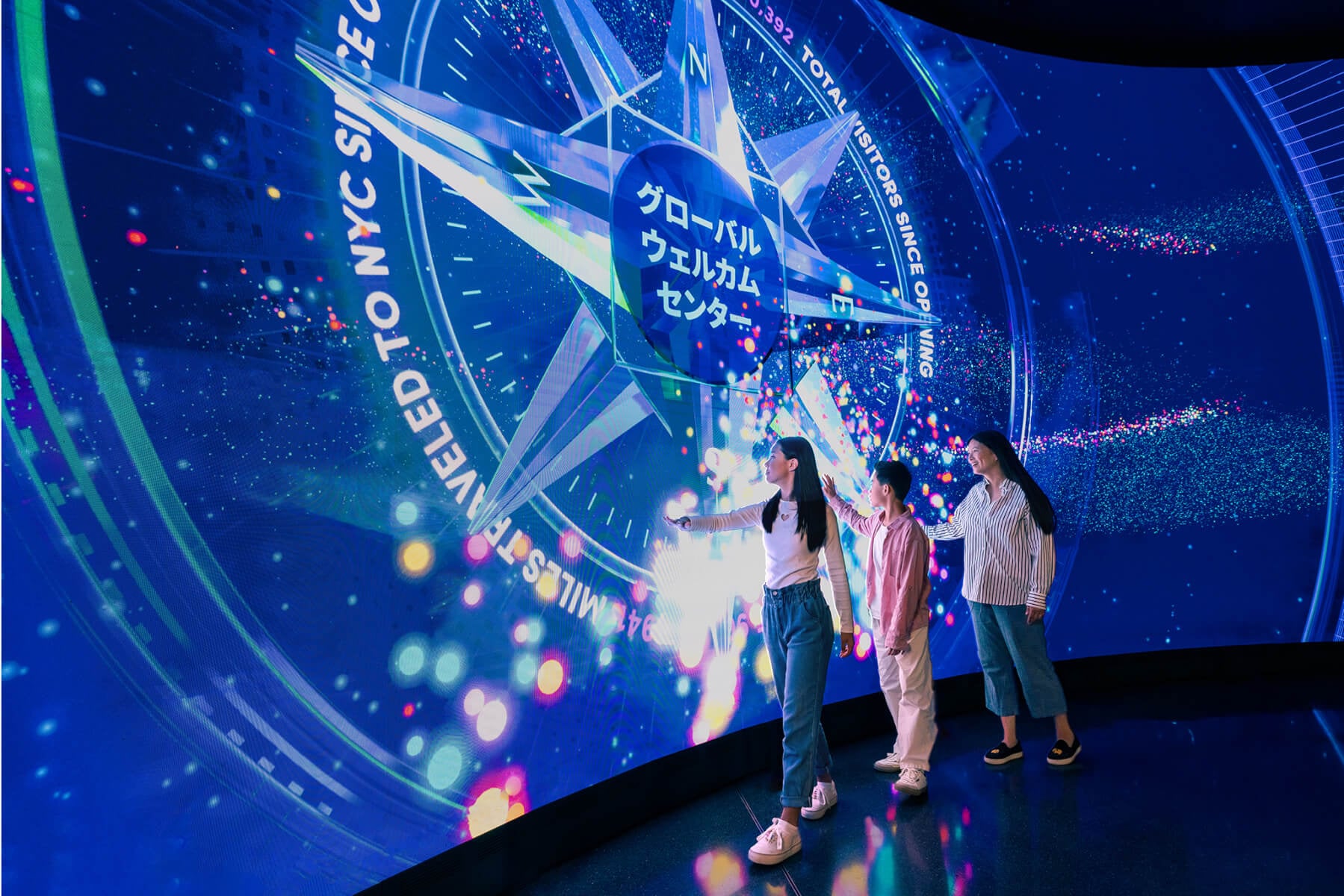
The first surprise is that the attraction is designed as a sequence. The Global Welcome Center and Horizon Grid set up the building story, then the SkyPod elevator experience lifts visitors through a time-lapse of New York history. The ride lasts just 47 seconds, which sounds brief until you realise how much visual information is moving around you.
- SkyPod elevator: a fast historical time-lapse on the journey upwards.
- See Forever Theater: a cinematic reveal before the main view.
- City Pulse: ambassadors and interactive displays add local context.
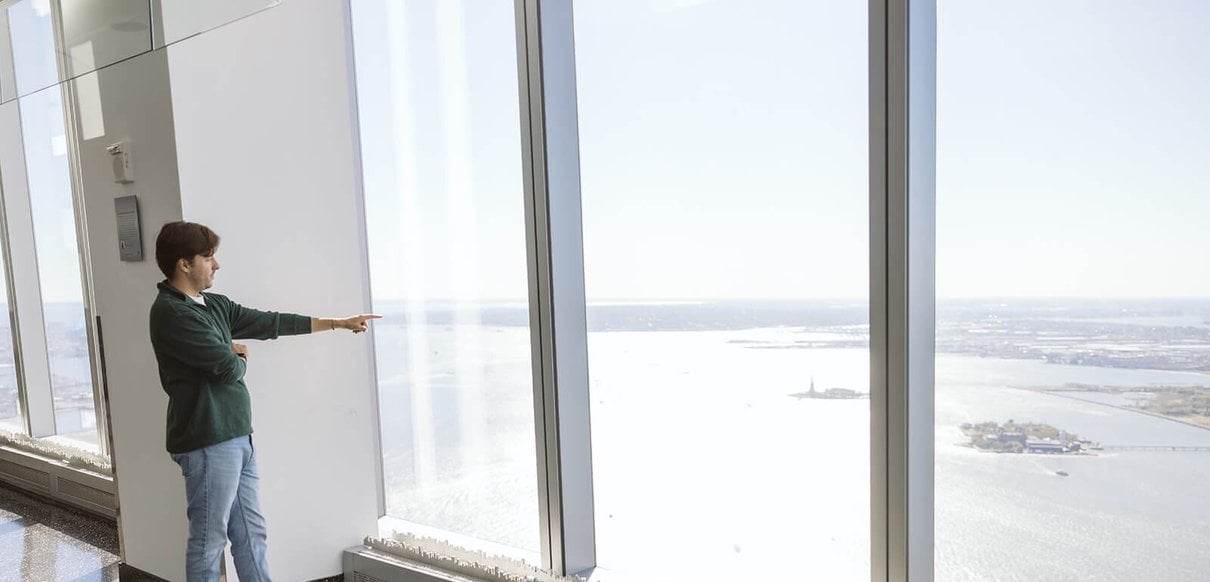
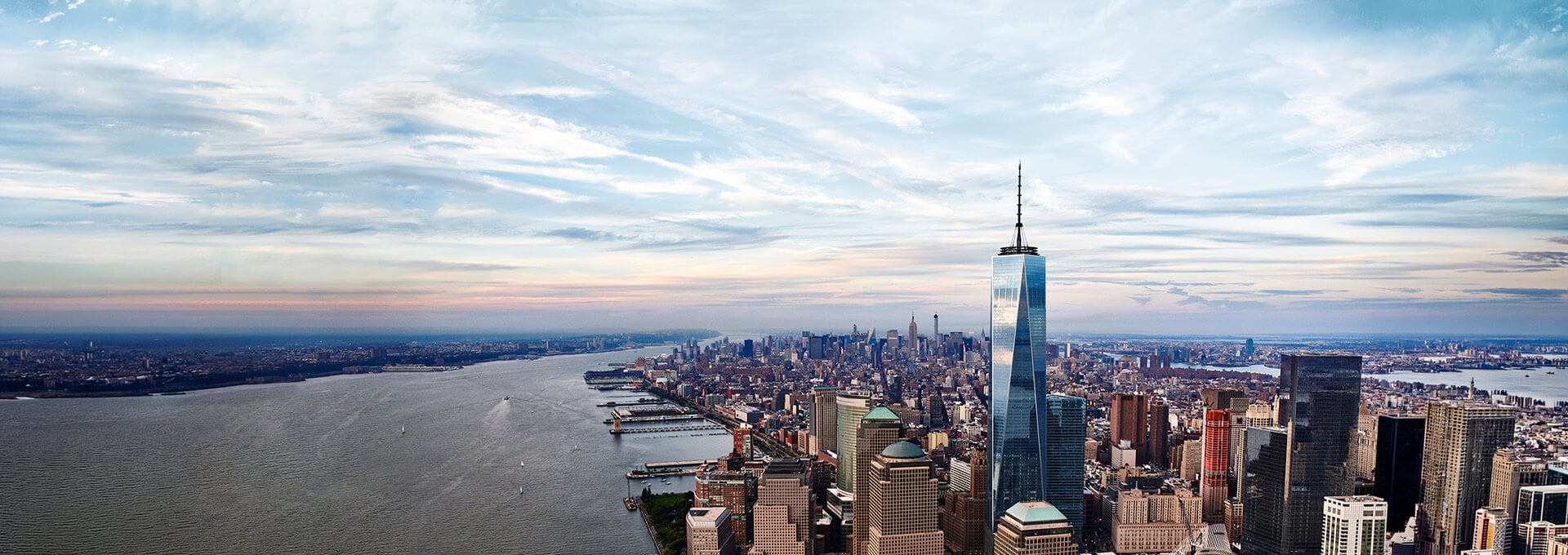
- 360-degree outlook: a broad panorama from 1,250 feet above Manhattan.
That layering is one of the brand’s strongest USPs. You are not simply stepping out of a lift, taking one photograph and leaving. The full One World Observatory experience gives the visit a beginning, middle and end, with enough interpretation to keep non-photographers interested. It also makes the attraction feel more considered than a bare platform.

Ticket value by tier
The Standard ticket is the sensible baseline. It covers the core visit and should suit a first-time traveller who mainly wants the skyline. We recommend it for a tight itinerary, especially if the rest of the day already includes the 9/11 Memorial, the Oculus or a meal reservation.
The Combination ticket is the interesting middle ground. The added features are easier to justify if they include an upgrade you will use, rather than an abstract promise of premium treatment. For most visitors, this is the tier we would compare first because it adds convenience without turning the ticket into a full-day commitment.
The All-Inclusive ticket is aimed at people who want to make the attraction an event. It makes more sense for a celebration, a relaxed couple’s itinerary or a family that prefers to keep decisions inside one venue. The VIP Tour ticket has a Mastercard Exclusive label, so eligibility and terms deserve a careful look before you count it as an ordinary upgrade.
- Choose Standard when the view is the main objective.
- Compare Combination when a modest step-up adds real convenience.
- Use All-Inclusive for a slower, more self-contained visit.
- Check the VIP eligibility wording and date-specific terms.
The ticket page labels some options “as low as”, so our advice is simple: open the live ticket page, select the date and compare the included features. The listed options provide context for comparing what each tier includes.

City Pulse, See Forever and ONE Dine
The viewing windows are the anchor, but the supporting details decide whether the ticket feels thin. City Pulse helps turn distant buildings into recognisable places, while See Forever Theater provides a theatrical reveal. The ONE Dine option can extend the visit into a meal, although we recommend planning it because the restaurant is a separate decision, not a magical solution to a crowded schedule.
- Allow time for the welcome displays before heading up.
- Pause at City Pulse if your group enjoys stories as much as photos.
- Check what is included in the current experience before assuming every add-on is bundled.
- Reserve ONE Dine separately when lunch or dinner is part of the plan.
The food and drink angle is a genuine USP, particularly for visitors who want a less hurried downtown day. Still, we would not choose a higher tier solely in the hope of eating spontaneously. The better plan is to decide whether you want elevation, interpretation or dining, then choose around that priority.

What works
- A polished, story-led arrival rather than a single viewpoint.
- Transparent tier steps across the available options at the time of review.
- Strong context through the SkyPod, theater and City Pulse.
- Dining makes it easier to build a complete downtown plan.
Keep in mind
- “As low as” prices vary with dates and availability.
- VIP wording may depend on Mastercard eligibility.
- A higher tier is not automatically better for a short itinerary.
- ONE Dine needs its own timing and reservation check.
My final take is that Standard is the smartest default, while Combination is the tier worth investigating when the extra cost buys something you will actually use. The attraction earns its price through the whole sequence, not just the panorama: welcome story, SkyPod, reveal, interpreters and the view itself. That is a stronger proposition than a quick photo stop, provided you give it enough time.
If you are comparing New York attractions, see the live One World Observatory offer with your exact date selected. For a complete plan, review the attraction details, then check ONE Dine availability only if a meal genuinely improves your itinerary.