
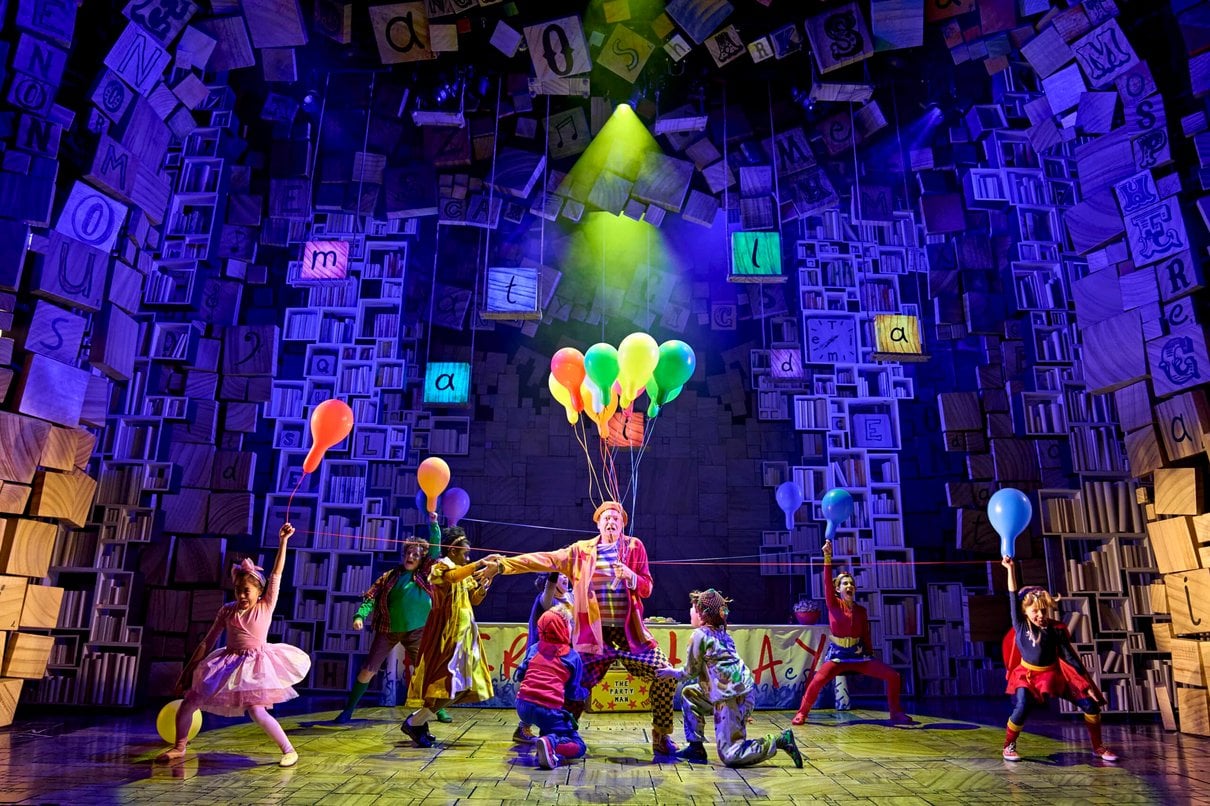
Choosing an accessible performance is part of planning the show, not an afterthought. For visitors who benefit from a spoken account of visual action, Matilda, The Musical UK NEW lists an Audio Described Performance at the Cambridge Theatre in London. We reviewed the official performance information and its linked resources to see what the format offers and what still needs checking.
The central question is whether the description and preparation material fit the visitor’s preferences. The official site gives a useful starting point, but the date, seat and individual access arrangements still matter.
When you shop through the links in this article, the retailer may pay us a commission. Your price stays the same.
The short version
- Audio Described Performance is the specific offering for visitors who benefit from spoken description of visual elements.
- The official site links introductory audio tracks, a sonic story and visual stories to help audiences prepare.
- The Cambridge Theatre says trained access hosts can assist visually impaired customers during a visit.
- Captioned and Chilled performances are distinct alternatives, not interchangeable versions of audio description.
Description and preparation
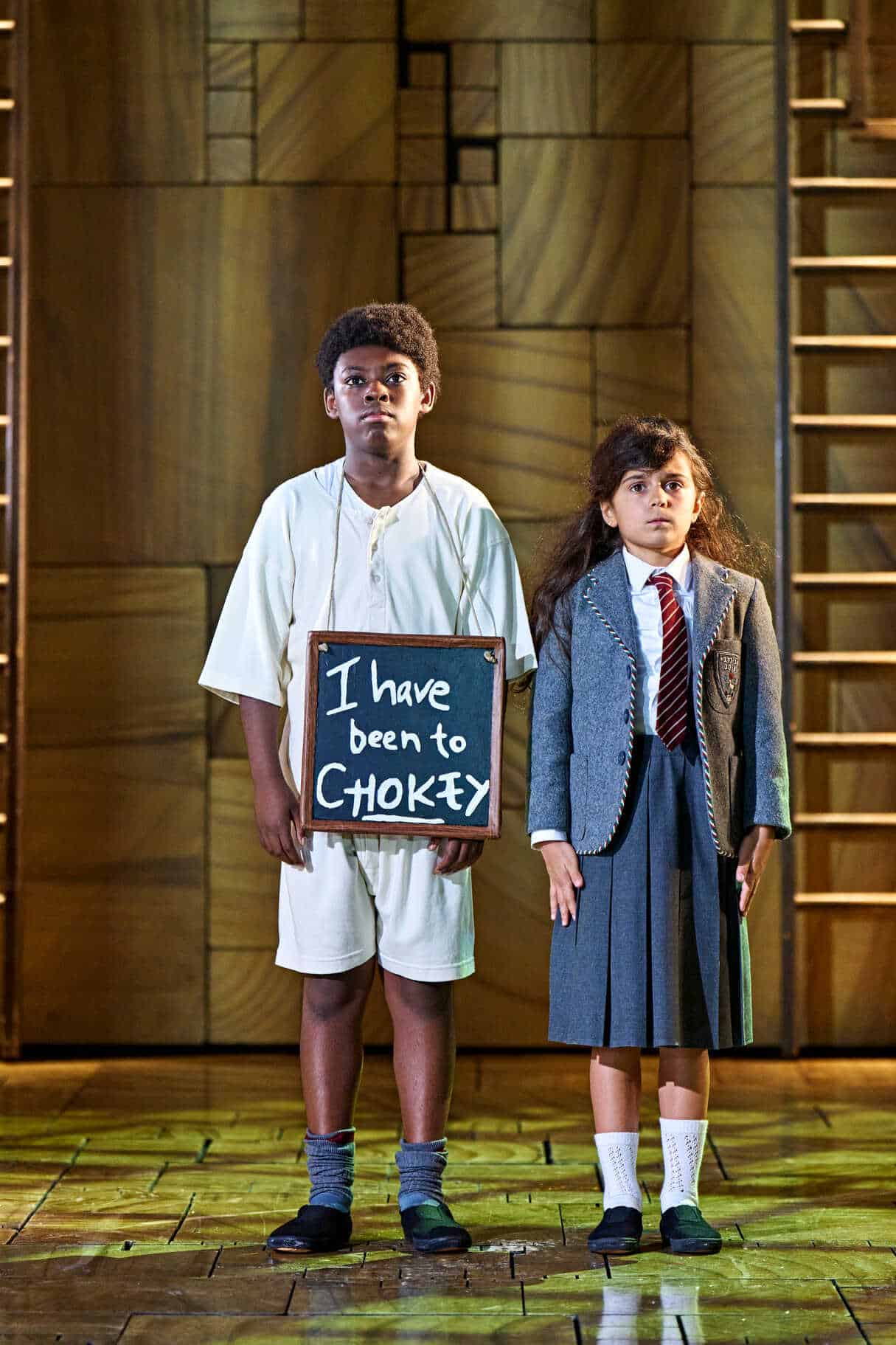
An audio described performance adds spoken information about visual details that may not be clear from dialogue and songs alone. This can include action, movement, costumes or changes in the stage picture. The show’s own page is the source for the format description, so readers should check that page for the scheduled performance and any current instructions before selecting tickets. The Audio Described Performance listing is the right starting point for that check.
The preparation offer is a notable strength. The official accessibility page provides recorded introductory material, including tracks about the show, its set and characters, and cast and creatives. It also links to a sonic story that highlights key sounds. These resources let a visitor become familiar with aspects of the production before arriving, rather than relying only on information delivered in the auditorium. Browse the Audio Described Performance details alongside the show’s introductory audio resources.
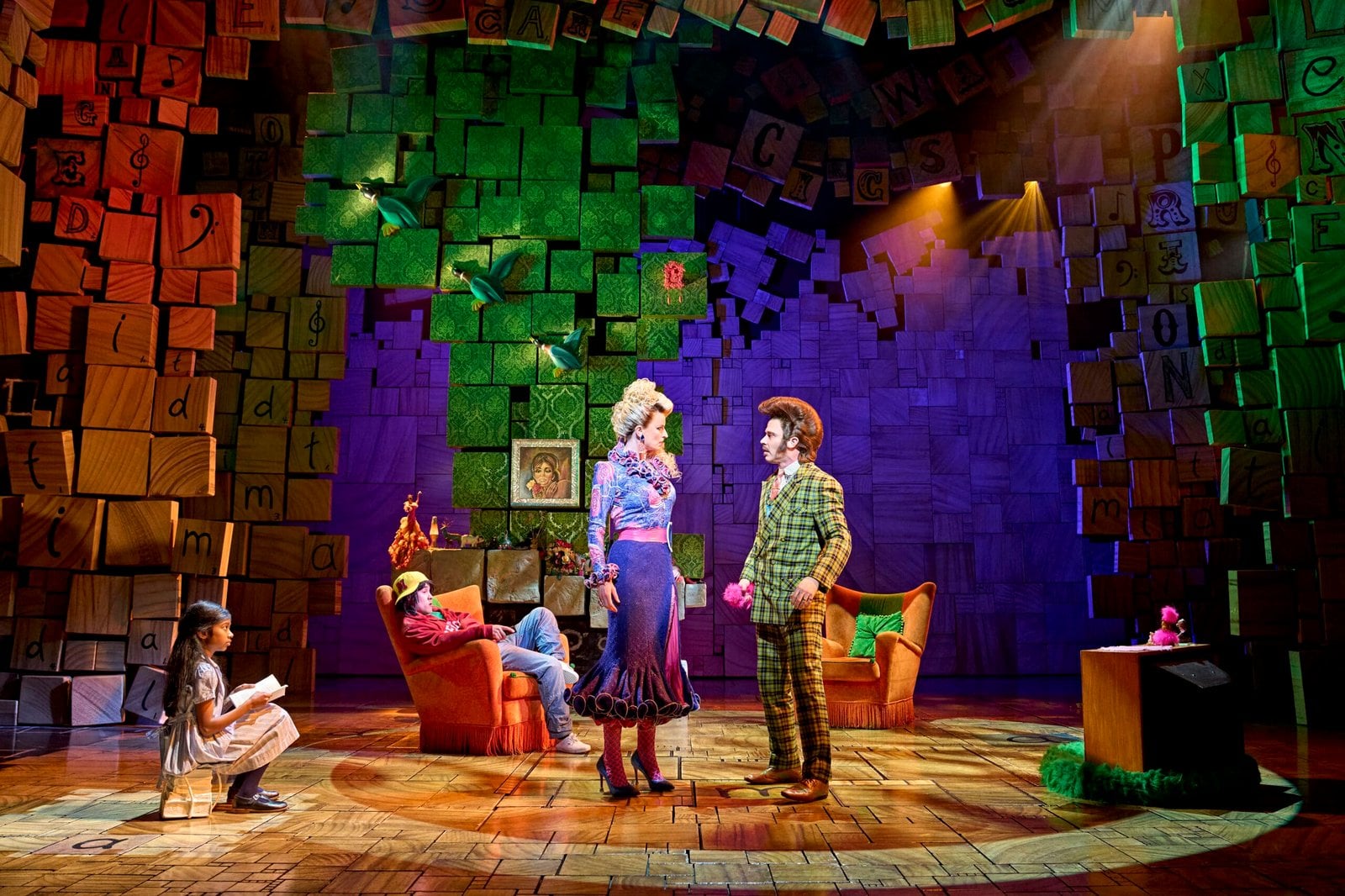
There are also longer and easy-read visual stories on the UK site. Their practical value is that a visitor or companion can review arrival and performance context in advance. Families may find this useful when helping a young audience member anticipate a theatre visit. It is worth checking which version corresponds to the planned performance, since the site lists adapted and non-adapted resources separately.
Booking and arrival
The official listing ties access information to scheduled performances, so begin by finding a date that is explicitly marked for audio description. Follow the performance information from the UK site and check ticket availability through its booking route. A performance format does not guarantee that every seat or every date is suitable for every visitor.
- Confirm that the selected date is marked as audio described.
- Review the venue access notes and ask the box office about seating or assistance needs.
- Listen to or read the introductory resources in the format that works best for the visitor.
- Allow time to plan the route to the Cambridge Theatre and arrival with an access host if useful.
The venue information says access hosts are available to assist visually impaired customers on arrival and during the visit if required. It also describes the theatre’s layout and routes to seating, which should be checked directly when step-free access or a particular auditorium level matters. For ticket questions or a request to discuss arrangements, use the official route rather than assuming a general performance note answers an individual need. The Cambridge Theatre access details are part of the buying decision.
How formats differ
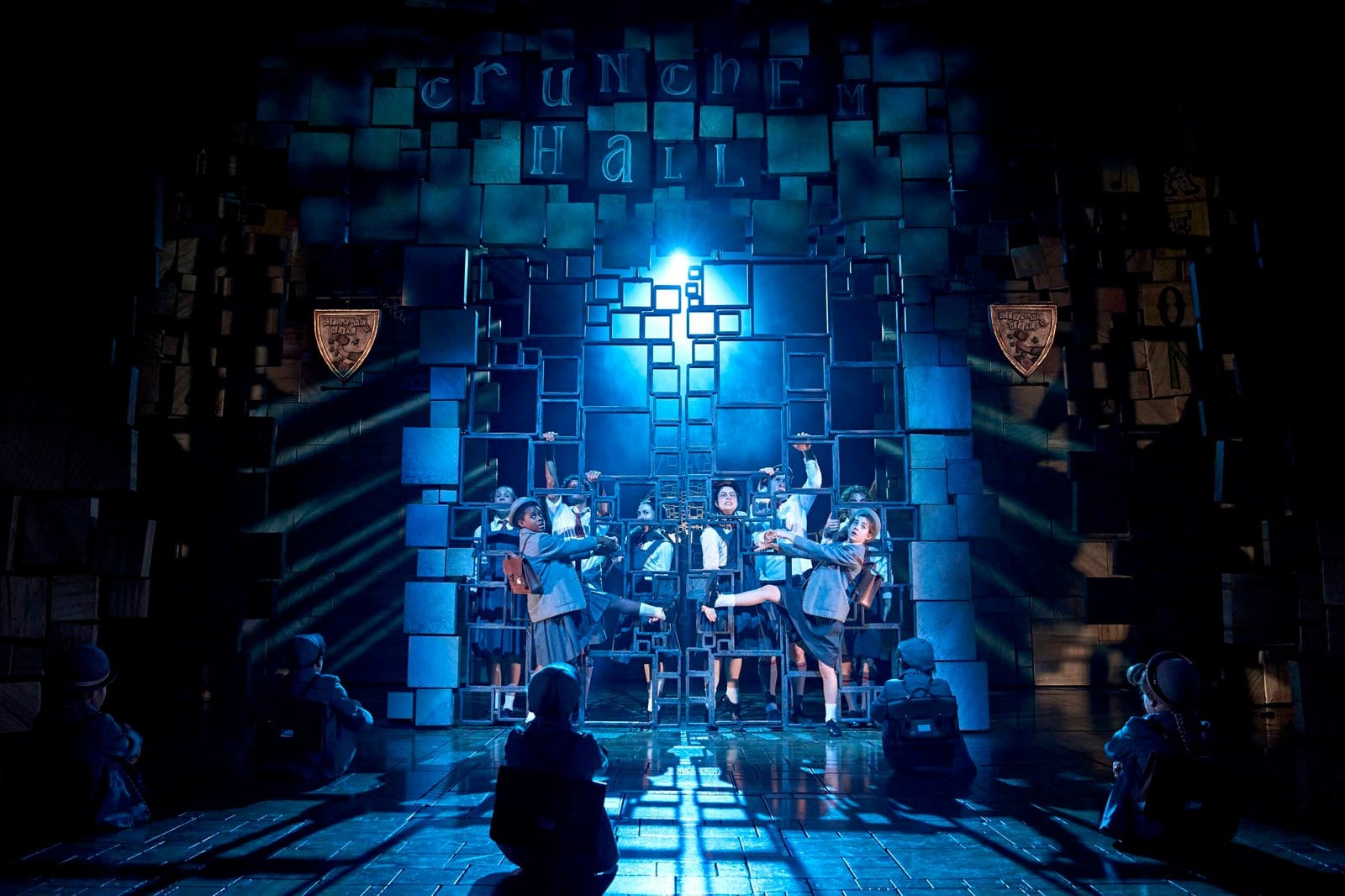
Matilda’s site also lists Captioned and Chilled performances. A captioned show displays spoken and sung words as text; it addresses a different access need from spoken description. The Captioned Performance information can help readers compare that format. Chilled performances take a more casual approach to noise and movement in the auditorium while leaving the performance itself unchanged, according to the official page. See the Chilled Performance details if flexibility to enter or leave the room is the priority.
These pages make the choices easier to distinguish, but they do not substitute for a conversation about a visitor’s specific requirements. The best match depends on whether spoken description, visible text, or a flexible auditorium is most helpful. A companion can review the audio-described option and captioned option before deciding.
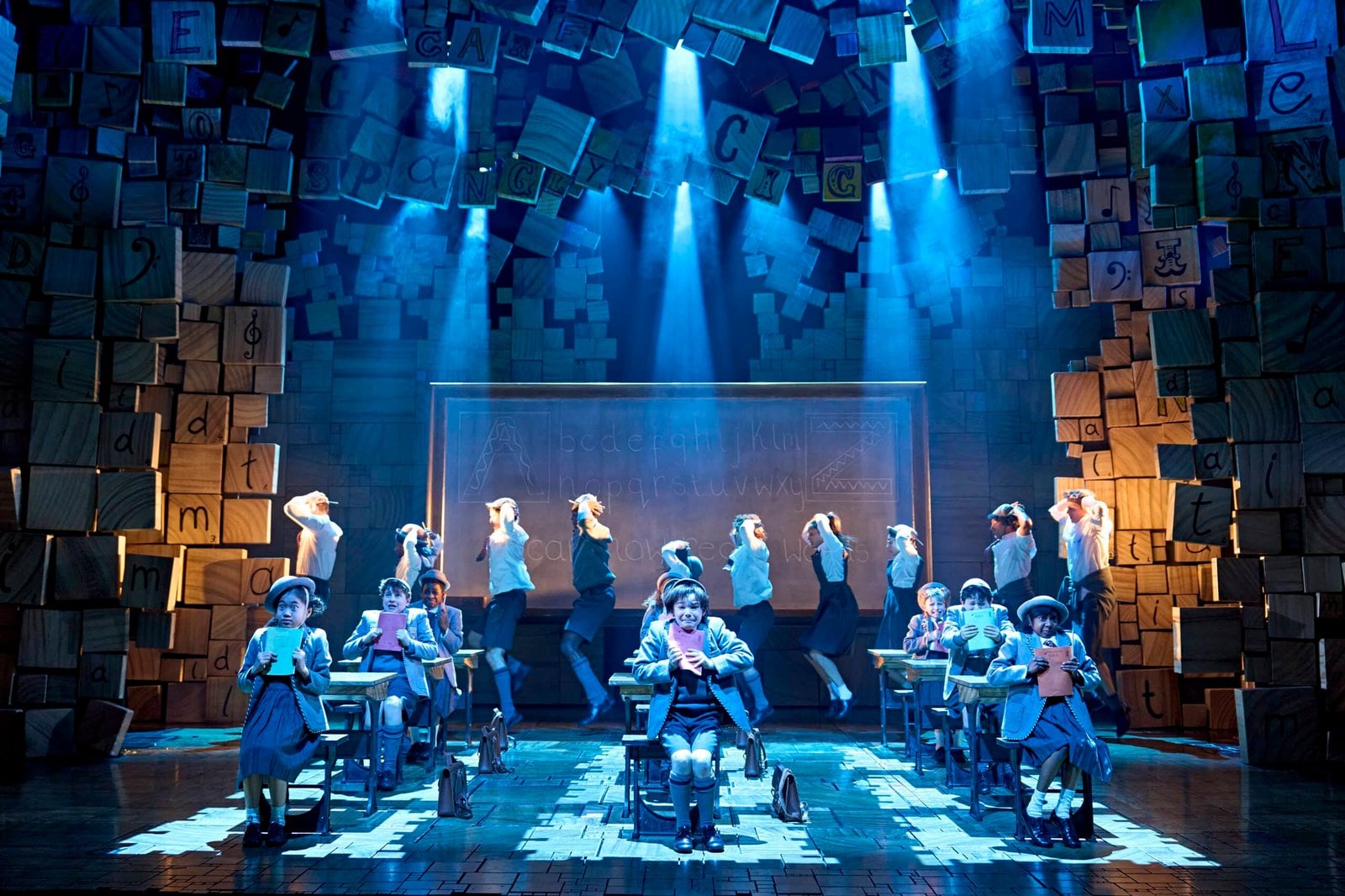
Where it helps
- Preparation is unusually tangible: audio introductions and story resources are available from the official site.
- The format has a clear purpose for visitors who benefit from spoken context about visual stage action.
- Access hosts provide an on-site point of assistance, according to the venue information.
Checks to make
- Only particular dates may offer the format, so availability needs a date-specific check.
- Access resources cannot confirm whether a particular seat, route or arrangement suits an individual.
- The official page does not replace contacting the venue about personal access questions.
For readers whose main requirement is a live spoken description, the Audio Described Performance is the most relevant of the formats listed. The companion resources make it more useful as a planned visit, especially for someone who prefers to preview the show’s sounds or context. Readers seeking captions or a relaxed auditorium environment should start with those separate pages instead.
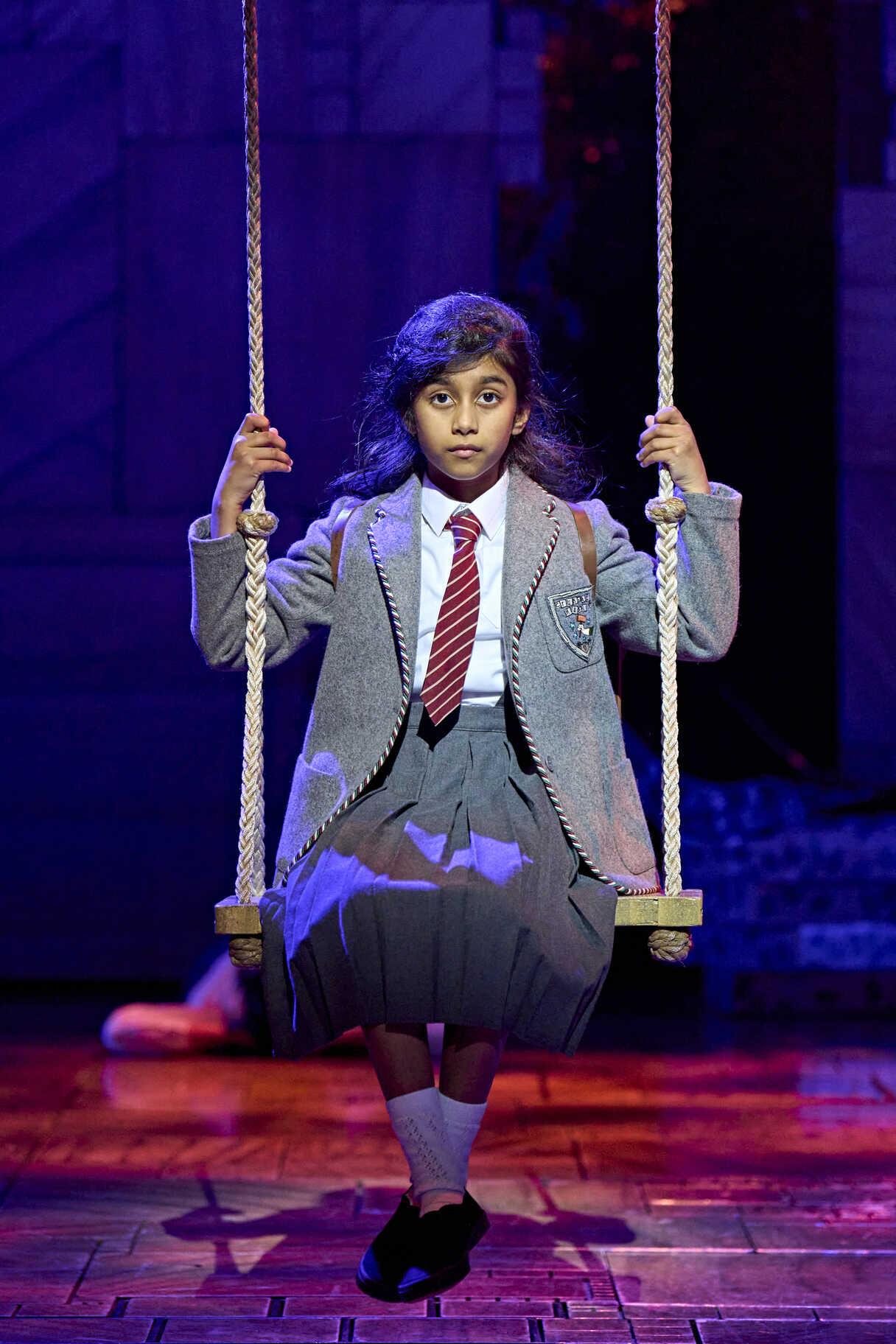
Summing up
We recommend the Audio Described Performance to visitors who want spoken description and value being able to prepare with official audio and visual resources. Its strongest feature is the combination of the performance format with practical material available before the visit, backed by venue access support.
The limitation is that availability and suitability depend on the date, seating and visitor’s needs. Check the official performance page and contact the venue about individual arrangements before booking.