

Blenheim Palace is a substantial day-out proposition: visitors can combine a historic house, gardens and parkland with a distinct family play area. For families deciding whether to make the journey, the useful question is less about whether there is enough to see and more about whether the mix suits the ages, interests and pace of their group.
We reviewed the visitor information and named ticket options on the Palace website. The strongest case is for a family that wants more than a playground visit; the main reservation is that the estate is broad, and the right ticket and schedule depend on what you actually plan to do.
When you shop through the links in this article, the retailer may pay us a commission. Your price stays the same.
The short version
- The estate brings together State Rooms, gardens and parkland, with Adventure Play as a separate family-focused draw.
- Adventure Play Day Ticket suits a visit centered on the play area.
- Palace & Play Pass is positioned for repeat play visits across its stated validity period.
- Quiet Play sessions offer a scheduled calmer visit for SEND children and families, so timing and session details matter.
Beyond the play area
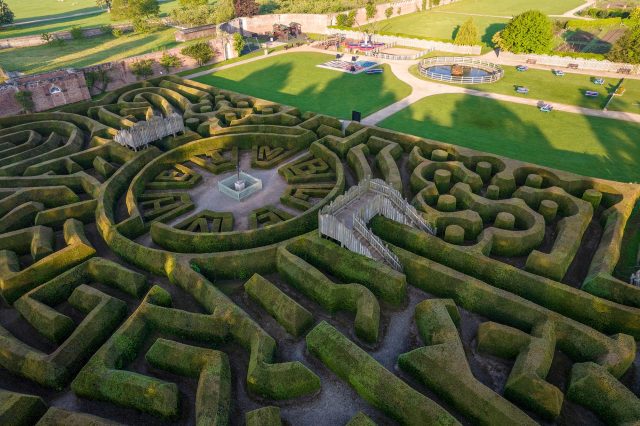
The estate’s distinctive strength is the contrast between active family time and a setting with real historic and landscape depth. The State Rooms bring art, architecture and a guided or audio-guided context into the day, while gardens and parkland create room to wander outdoors. That gives adults more than a supervised play stop and gives children variety beyond formal interiors.
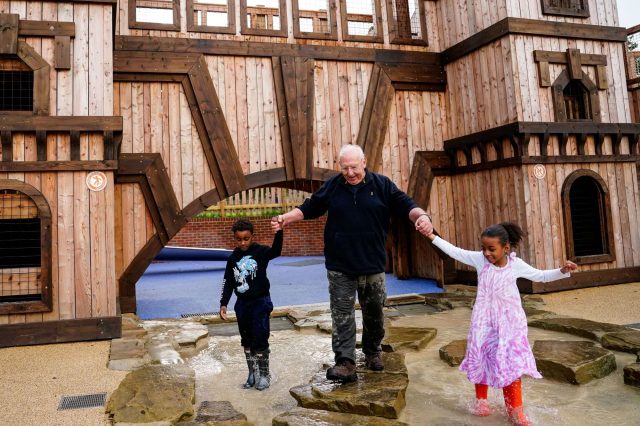
That breadth is also a decision point. A short visit focused only on climbing and running may not make the most of the wider destination, while trying to fit every component into one day can make the itinerary feel overpacked. Families should choose a lead activity first, then add the house or landscape if time and energy allow. The website describes Adventure Play Day Ticket as day access to Adventure Play, which makes it the clearest match for a play-led outing.
Choosing the format
There are a few distinct ways to frame the visit, and they answer different needs:
- Adventure Play Day Ticket: a straightforward option when play is the main reason for coming. Check the current ticket information for entry windows and what is included.
- Palace & Play Pass: the official page describes 12 months of access to play. It makes most sense when repeat visits are realistic, rather than as an automatic add-on for a one-off day.
- Quiet Play session: the Palace advertises dedicated sessions for SEND children and families, with scheduled hours. Confirm the next session and any access notes before planning around it.
- Wider estate visit: add the State Rooms, gardens or parkland when the group wants a fuller heritage day and has enough time for travel around the site.
For repeat play, the Palace & Play Pass is the option worth comparing against a single visit. The stated 12-month access is a concrete difference, but the value depends on likely return trips and the conditions shown at checkout. For a one-day outing, the Adventure Play Day Ticket keeps the decision simpler.

The Quiet Play session is another specific format, rather than a general promise of a quieter day at any time. The Palace lists it for SEND children and families at scheduled hours, so this option requires checking the calendar and the session’s current arrangements before travel.
Details that shape the day
The practical limits are mostly about scale and scheduling. The Palace’s ticket and visitor pages should be treated as the final source for opening times, accessibility arrangements, current inclusions and any seasonal changes. A photo or broad description cannot tell you whether a particular route, activity or session will suit a specific child.
Before setting out, we would check these points directly:
- Which areas are covered by the ticket being considered.
- Whether Adventure Play or a Quiet Play session is operating on the intended date.
- Access information for the State Rooms, play areas and paths across the estate.
- Food, rest and travel time between the attractions the family hopes to include.
The separate Adventure Play accessibility information is useful for planning, and the State Rooms page explains the indoor heritage element. A careful check beforehand is especially worthwhile if access needs or a specific session determine whether the trip works.

Strengths and limits
Where the mix works
- More than one pace: play, interiors and landscape offer a choice of energy levels.
- A defined family draw: Adventure Play gives children an activity with its own ticket information.
- Repeat-visit option: the pass may fit families likely to return during its stated validity.
Where planning matters
- It is a large destination: fitting play, house and grounds into one outing may demand prioritizing.
- Session-led details: Quiet Play is scheduled, so families need to align the date and hours.
- Ticket scope can differ: check each inclusion instead of assuming every area is covered.
That balance makes Blenheim Palace a stronger fit for families who value a varied destination and are happy to plan around a main activity. If the goal is a compact, low-planning play stop, the estate’s scale may feel like more than needed. The Adventure Play Day Ticket is the clearest entry point for that narrower visit; families considering more than one trip should compare the Palace & Play Pass.

Summing up
Our recommendation is to consider Blenheim Palace when the family wants a day with genuine variety: children can center the visit on play while adults have gardens, parkland and historic rooms to add. Choose the single-visit Adventure Play Day Ticket for a play-first outing, and look at the Palace & Play Pass only if repeat visits are plausible.
The honest limitation is scale: this is not a compact attraction where every part can be covered casually. Check the live ticket scope, access notes and session calendar, then build the day around what matters most to your group.