
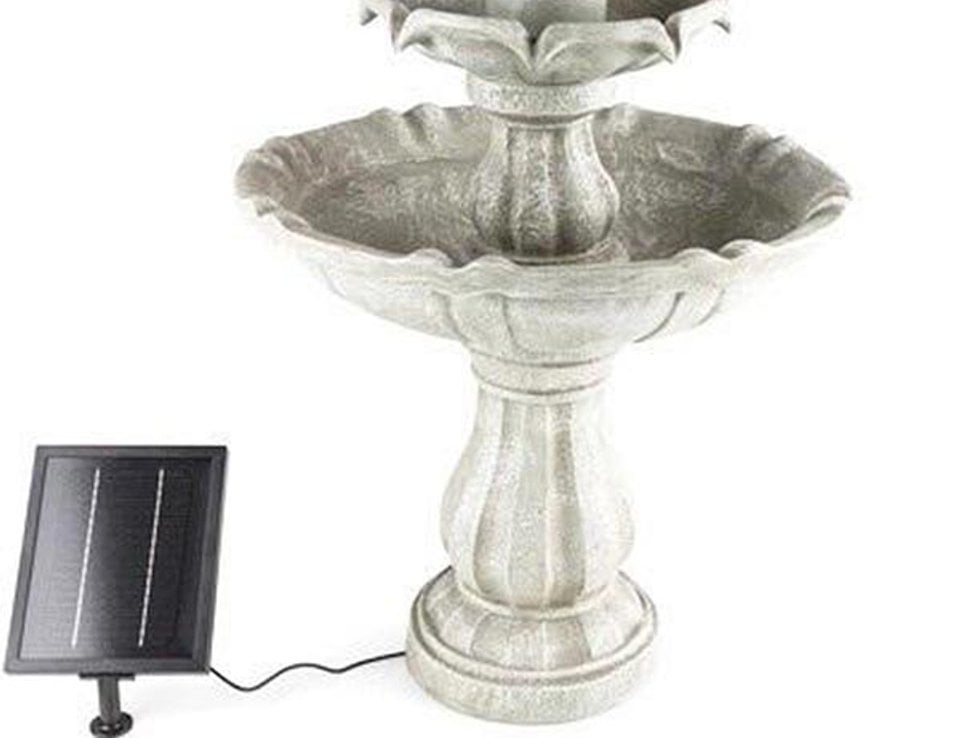
Spring is when a garden pond starts to ask for attention again. Winter debris may remain on the bottom, algae can appear as light and temperatures change, and pumps or aeration equipment need a quick check before regular use. The useful question is not which gadget does everything, but which task is actually due at your pond.
Pondkeeper is a UK pond specialist with products for construction, circulation, filtration and routine maintenance. Its range includes its own PondXpert equipment alongside established pond brands, with support offered by phone, web chat, email and in store. We reviewed the retailer’s product information to make a seasonal shortlist.
When you shop through the links in this article, the retailer may pay us a commission. Your price stays the same.
The short version
- PondXpert SolarAir 200 Plus Pump is the solar-powered aeration option with battery support.
- PondXpert Floating Aerator Pump 20000 offers a separate floating approach to aeration.
- PondXpert Pond Net System pairs a telescopic pole with an algae net for hands-on debris removal.
- PondXpert Sludge Eliminator targets accumulated sludge; check its product directions and suitability first.
Start with the water
Before adding equipment, look at the pond as it is now. Clear leaves and loose debris, check whether existing pumps run as expected, and note whether water movement or oxygenation is the concern. A seasonal checklist helps keep purchases tied to a real job:
- Remove debris that can be reached safely with a net.
- Inspect existing pump, filter and hose connections.
- Decide whether the priority is circulation, aeration or cleaning.
- Check the product’s stated pond size and installation needs before choosing.
For surface movement, the PondXpert Floating Aerator Pump 20000 is a dedicated floating unit listed by the retailer. Its form makes it relevant where surface aeration is the goal, while placement, power access and pond layout still need consideration. It is not a substitute for a filter if filtration is what the pond needs.
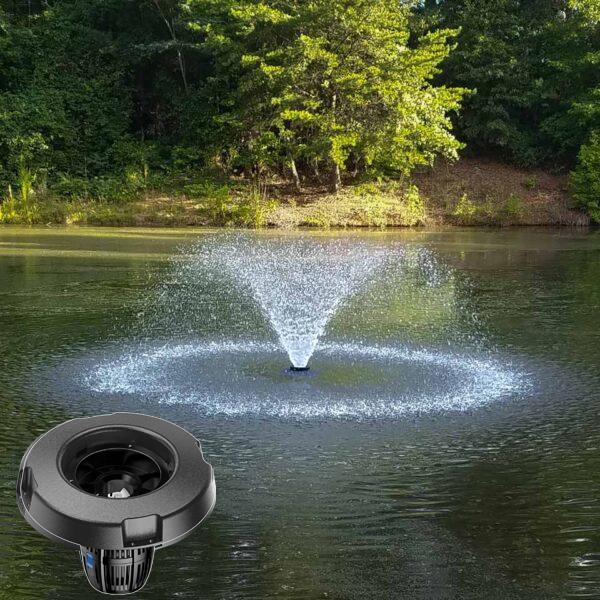
Choose your aeration
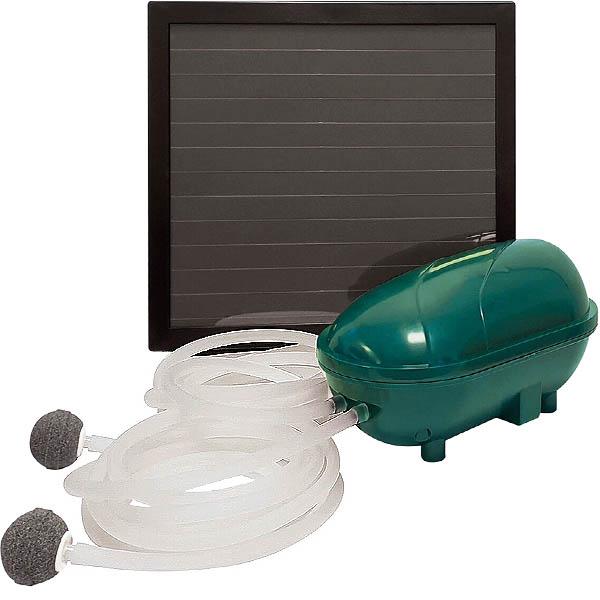
Solar-powered equipment may suit a pond where running a cable is inconvenient, but seasonal light and the installation position affect how useful it is. The PondXpert SolarAir 200 Plus Pump is listed with battery support, giving it a different setup from a floating mains-powered unit. Read the retailer’s product details for what is included, connection requirements and the operating conditions.
These are alternatives for different setups rather than a set that every pond needs. A keeper with a suitable existing air pump may need neither. Where oxygenation is a concern, first consider pond size, fish load and the layout of any filtration; those factors shape whether a new pump is a sensible addition.
Clear the edges
A net is a straightforward spring tool when leaves, floating fragments or accessible algae need removal. Pondkeeper lists the PondXpert Pond Net System with a telescopic pole and algae net. That combination is useful for reaching across a pond without stepping into it, though the pole length and net size should be checked against the pond’s shape and depth.
Netting is selective and visible: it lets the keeper lift out material rather than add a treatment. Work gradually around plants and wildlife, and avoid disturbing more of the pond bed than necessary. For small, regular cleanups, this can be a simpler first step than changing the whole filtration setup.
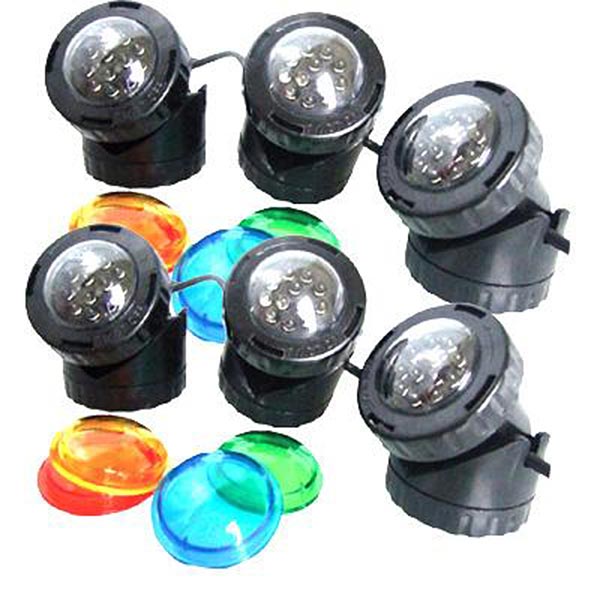
The image above shows pond lighting rather than a cleaning tool, but it illustrates how the retailer’s range extends beyond maintenance. For the spring jobs in this guide, keep the shortlist focused on equipment that addresses a present need.
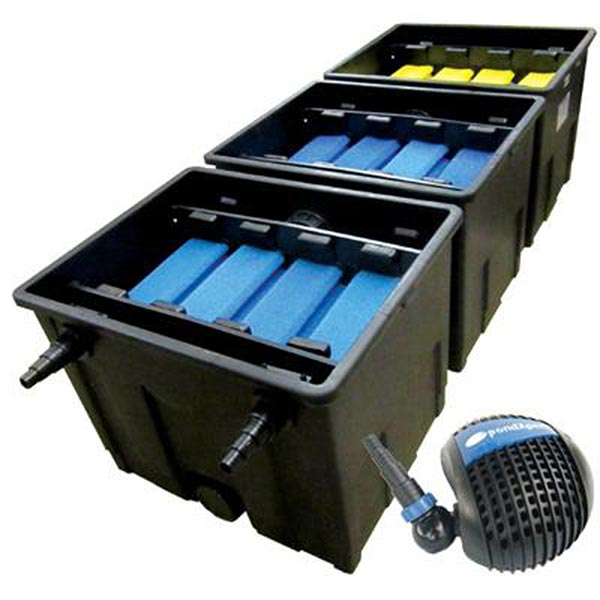
If water quality rather than surface debris is the concern, filtration deserves its own assessment. Pondkeeper’s product range includes filter and pump combinations, but sizing should be checked against the pond and fish load before selecting a set.
Treat settled debris
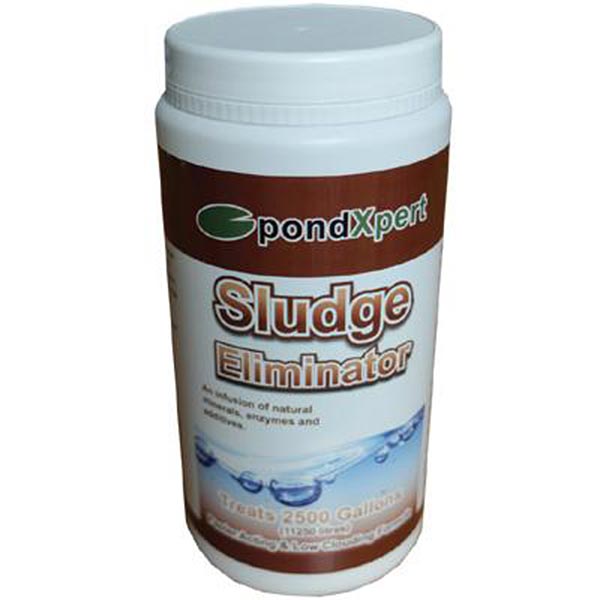
Where fine organic material has built up at the bottom, a net may not reach it. The PondXpert Sludge Eliminator is a treatment product listed for sludge management. It offers a different route from physical removal, but treatment products require careful reading: follow the label for dosage, pond conditions and any cautions, and do not assume it replaces routine filter maintenance.
- Choose a net for reachable surface debris and algae.
- Choose aeration when oxygenation or water movement is the actual need.
- Consider sludge treatment only after checking the instructions and pond suitability.
Where the range helps
- Products cover distinct tasks, from aeration to debris removal.
- PondXpert options sit alongside other pond brands at one specialist retailer.
- SolarAir’s battery support offers a different installation route from a floating pump.
Check before choosing
- Some products need power, positioning or installation planning.
- Treatments depend on pond conditions and careful use of the label.
- Product pages should be checked for current specifications and included parts.
Summing up
For spring upkeep, match the product to the observed job: a net for reachable debris, an aerator for oxygenation, and sludge treatment only when its directions fit your pond. Pondkeeper’s own PondXpert range gives pond keepers several relevant options alongside broader pond equipment.
The limitation is that suitability depends on pond size, stocking, existing equipment and conditions, so these product names are starting points rather than a universal setup. Check each listing for current specifications and confirm the choice against your pond.