
Choosing a new computer is easier when you start with the day you want it to support. Do you need a large screen for spreadsheets, a light machine for campus, or enough headroom for creative work? HP Store makes that first decision less intimidating because its Australian shop brings everyday laptops, AI PCs, business models, desktops, printers, monitors, and accessories into one place.
Use this guide as a short buying process. I will help you define the workload, narrow the format, compare three concrete HP options, and check the details that are easy to miss at checkout. The goal is a setup that feels right-sized rather than over-specified.
- Write down the tasks you do most often.
- Choose the screen size and level of portability.
- Set a realistic Australian dollar budget.
- Compare memory, storage, processor and display details.
- Finish with the accessories that remove daily friction.
1. Start with the work your computer must do
Begin with a three-line inventory: your most-used apps, the number of browser tabs you keep open, and whether you create, edit, study, play, or mostly communicate. That list is more useful than choosing by a familiar series name. A student writing papers has a different priority from a video editor, even if both want a laptop.
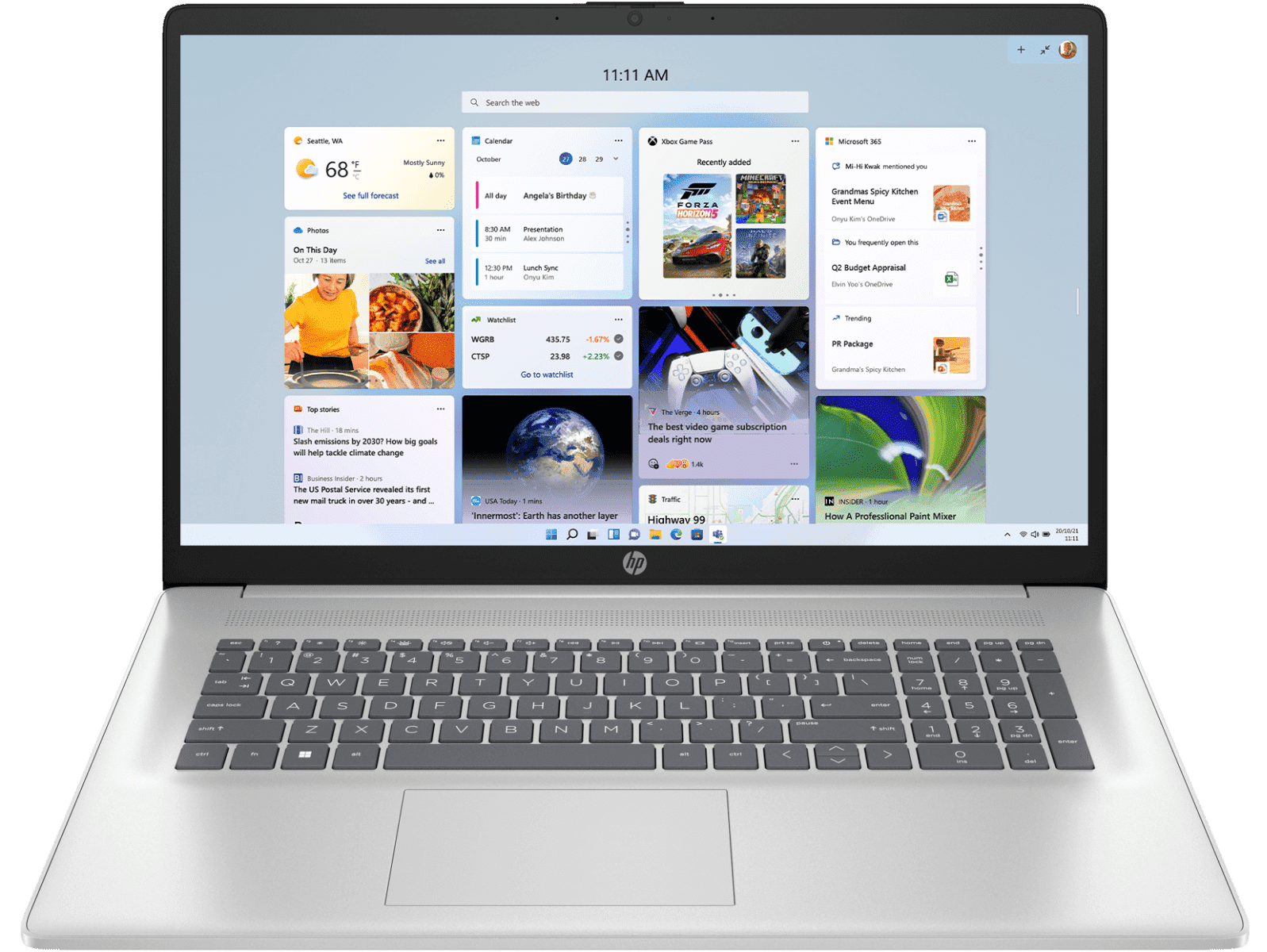
For a straightforward home machine, the HP 17.3 inch Laptop 17-cn4046TU, Silver was listed at AUD 999. Its larger display is a practical advantage for documents, streaming, family admin and side-by-side windows. You can view the HP 17.3 inch Laptop 17-cn4046TU and check the live specifications before deciding whether its size suits your desk.
- Office and study: prioritise a comfortable display, a responsive processor and enough storage for documents.
- Creative work: look more closely at display quality, memory and sustained performance.
- Travel: put weight, battery expectations and charging convenience near the top.
- Family use: favour a clear screen, sensible storage and a price that leaves room for support accessories.
Do not pay for a feature you will not use. If your actual routine is email, documents, video calls and browsing, a balanced mid-range machine can be a better choice than a premium creator model. That is one reason I would browse HP Store laptops by everyday use before filtering by the highest specification.
2. Match the format to your space
Next, decide whether the computer will stay in one place. A 17.3-inch laptop can replace a small desktop setup, while a 14-inch model is easier to carry between a kitchen table, office, library and lounge. A 15.6-inch screen sits between those choices and can work well as a single all-purpose family computer.
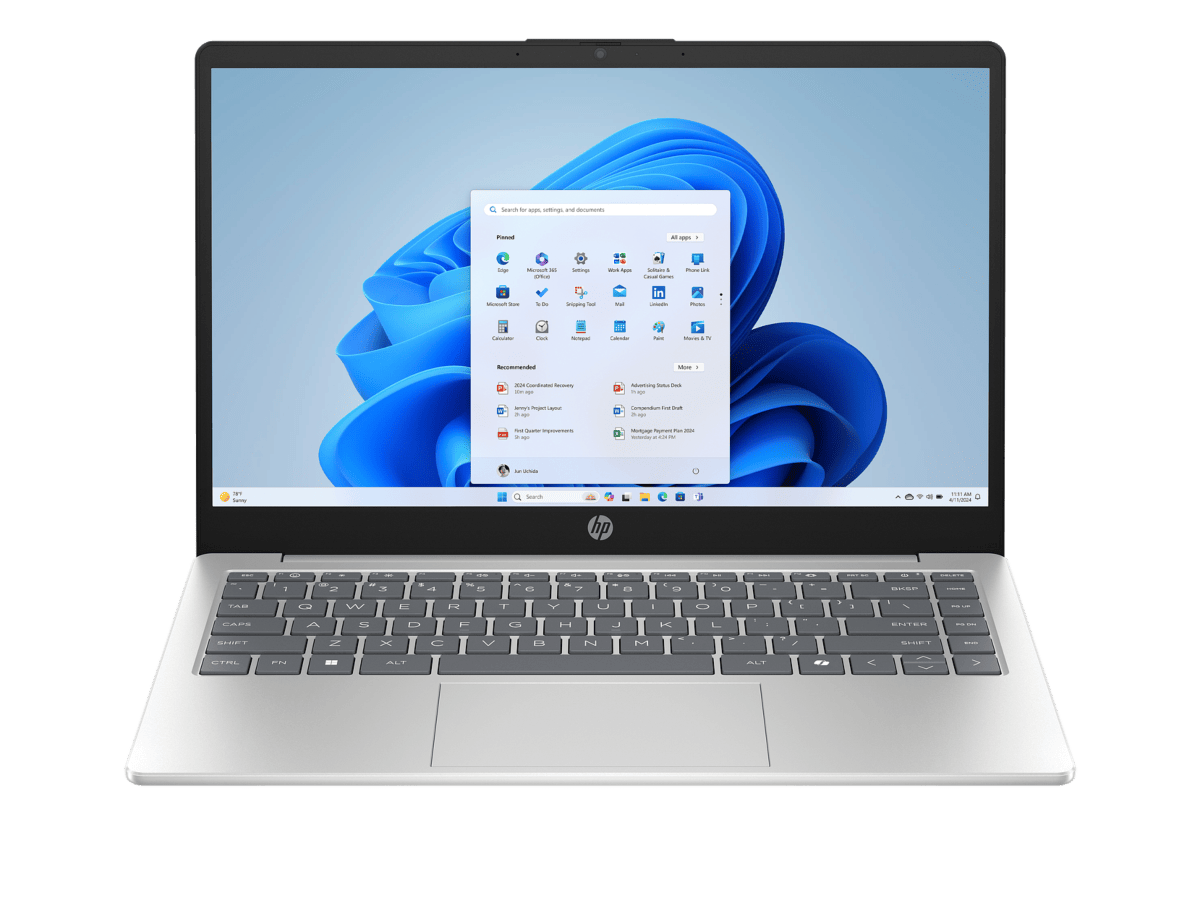
The HP 14 inch Laptop AI 14-hc0035TU, Silver was shown at AUD 1,099. Its AI positioning is relevant if you want newer productivity features, but the important buying step is still to open the HP 14 inch AI laptop details and confirm the memory, storage, ports, operating system and current offer.
- Mostly desk-based: choose the larger screen if it reduces the need for a second monitor.
- Mixed home and travel: a 14-inch laptop is a useful middle ground.
- Shared household use: choose a screen that is comfortable from a little distance.
- Small desk: measure the laptop footprint with room for the charger and mouse.
Think about the complete footprint, not just the closed laptop. You may want a compatible HP monitor for a permanent desk, a mouse for longer sessions, or a sleeve if the machine travels. Adding those costs now gives you a more honest setup budget.
3. Choose the performance level you can justify
Once the format is clear, compare the parts that affect longevity. Memory helps when many apps are open, storage gives you space for files and photos, and the processor affects how quickly demanding tasks feel. For AI PCs, also look at which on-device features are supported instead of treating the label as a complete buying reason.
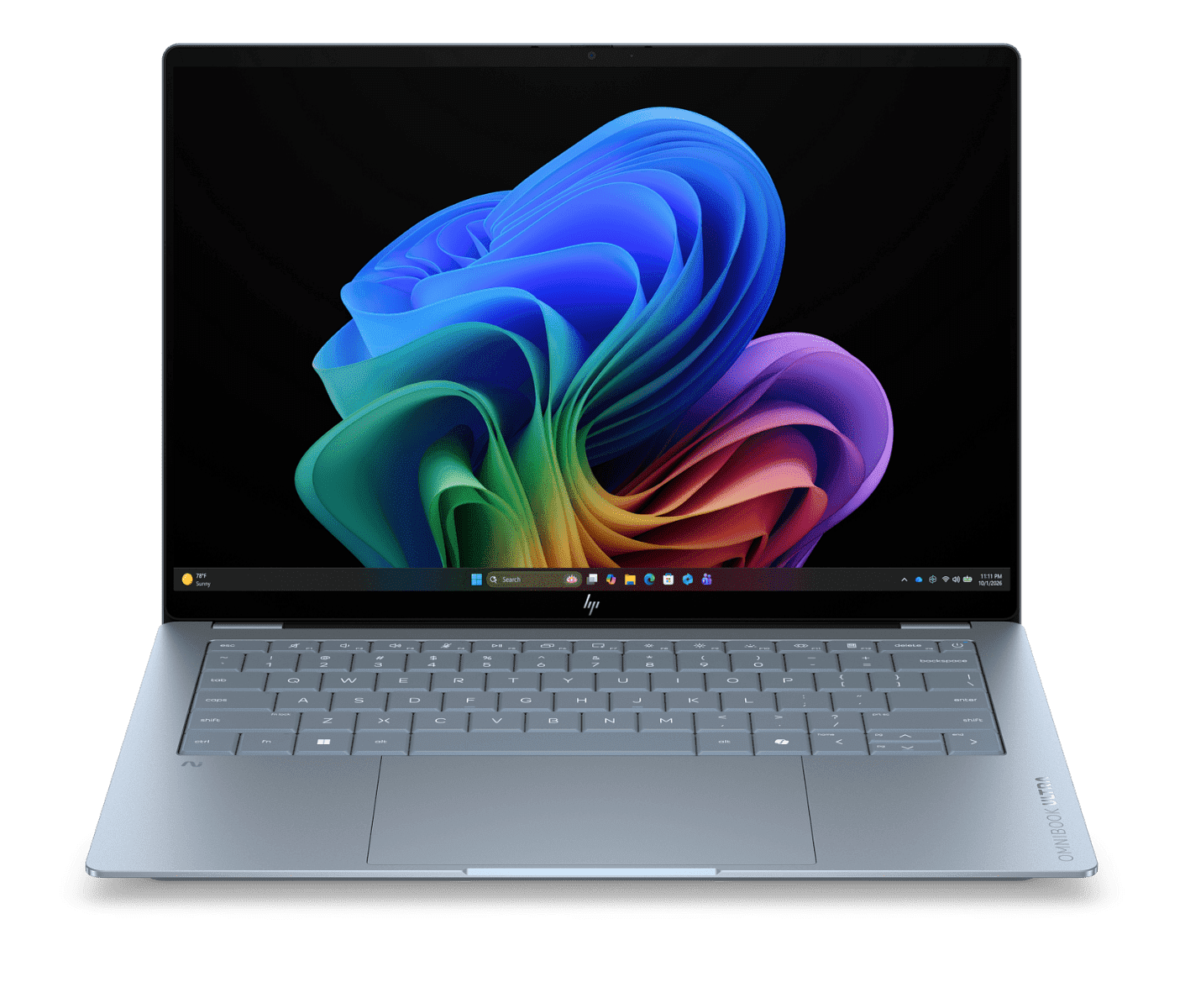
For a more ambitious option, the HP OmniBook Ultra 14 inch Laptop Next Gen AI 14-kg0018QU, Blue was listed at AUD 2,699. HP describes this range as suited to freelancers and creators. If your workload includes heavier editing, frequent multitasking or a desire for a more premium build, open the HP OmniBook Ultra 14 inch product page and compare its full specification with your actual software.
For a balanced middle option, the HP OmniBook 5 14 inch Laptop Next Gen AI 14-he1012QU, Blue was listed at AUD 1,999 and described as an upgrade from HP Pavilion for students and families. See the HP OmniBook 5 14 inch Laptop if you want to compare that middle tier with the more powerful Ultra. The right verdict depends on whether your routine rewards extra performance every day.
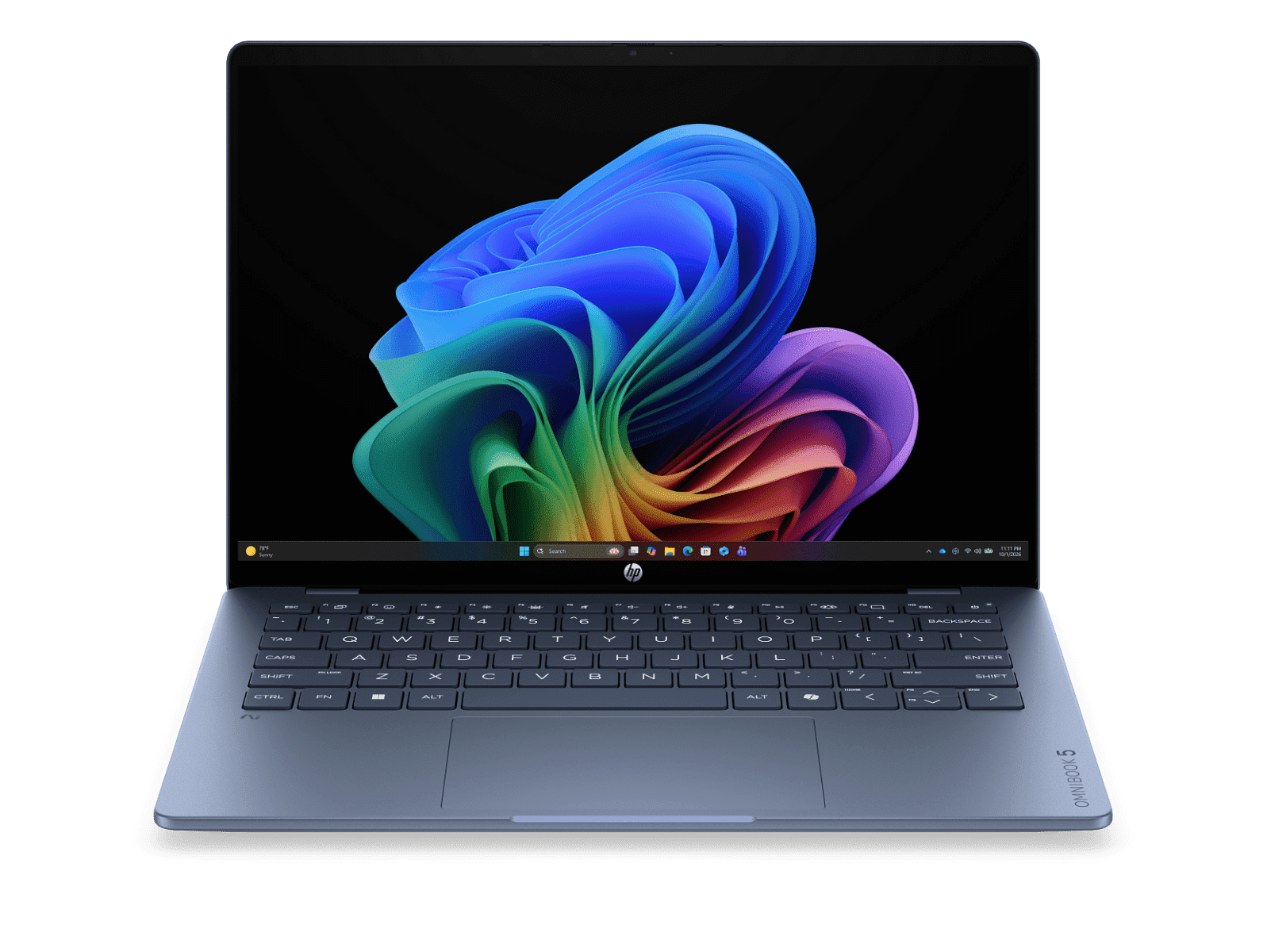
- Entry level: spend enough for smooth everyday work and the storage you actually need.
- Middle tier: choose this when several people share the machine or your tasks are growing.
- Premium tier: pay more when creative workloads, build quality or AI features have a clear daily role.
4. Check the details before you commit
Before adding anything to your cart, read the complete product page rather than relying on the short card. Check the exact processor, memory, SSD capacity, display resolution, webcam, ports, wireless standard, included operating system and warranty information. Then confirm the current price, stock status and delivery terms for Australia. Review the current HP Store laptop collection with those points beside you.
- Compare the listed configuration, not just the product family name.
- Check whether the display finish and resolution suit your room.
- Count the ports you need for a monitor, storage drive, headset or camera.
- Confirm the return, delivery and warranty information before payment.
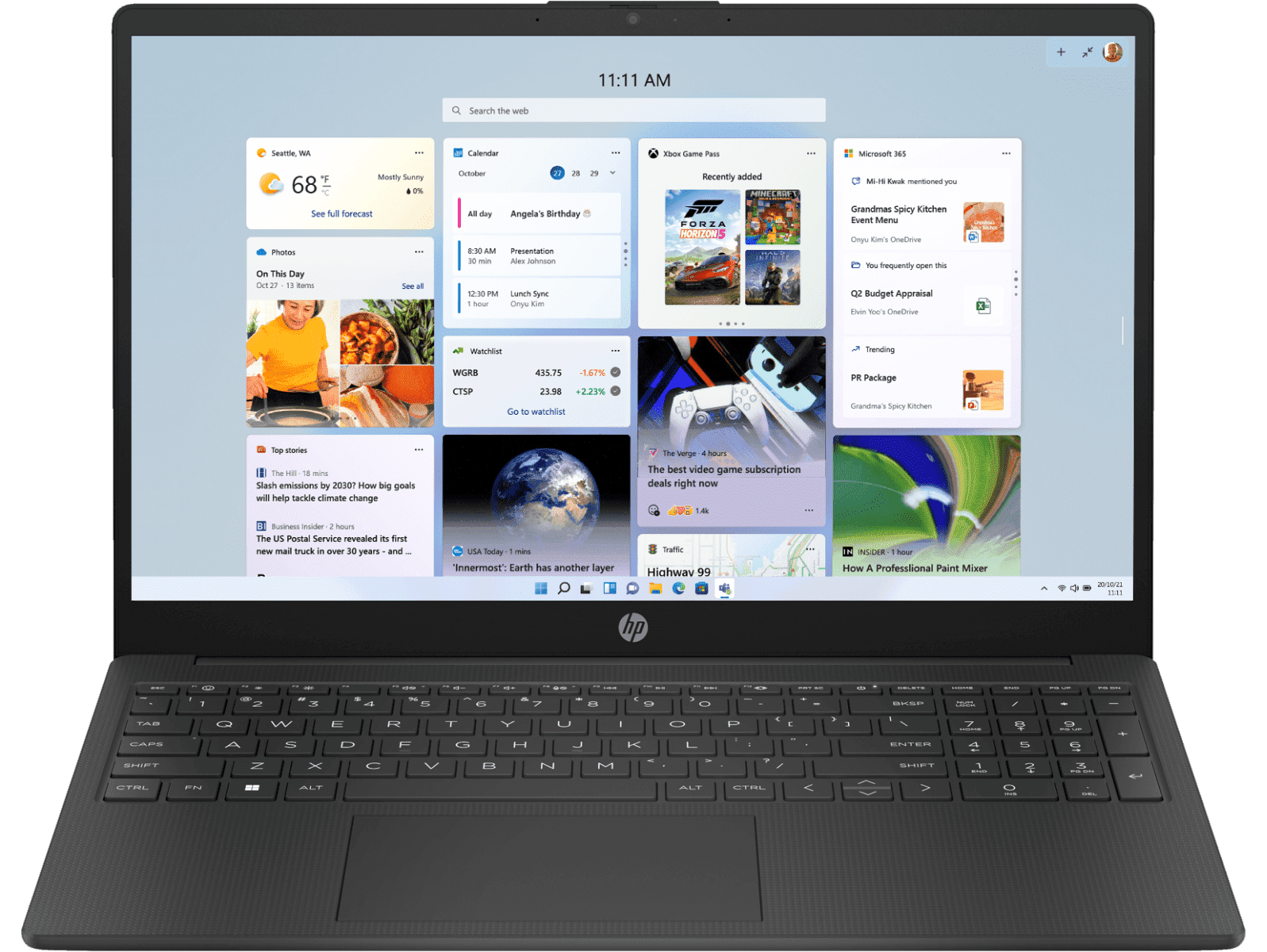
A useful final check is to imagine the first week. Where will the charger live? Will you need a dock, printer or external display? Does the keyboard feel suitable for long writing sessions? HP Store is a natural choice here because you can browse laptops and matching accessories together rather than piecing a setup together across unrelated shops.
What works
- HP Store offers clear lanes for home, student, creator, gaming and business needs.
- Australian pricing makes the shortlist easier to compare.
- The range includes affordable everyday laptops and higher-performance AI models.
- Product pages give you a sensible place to check specifications before checkout.
Keep in mind
- Prices, promotions and stock can change, so treat researched figures as a snapshot.
- A bigger specification is only useful when your routine can take advantage of it.
- Accessories and a monitor can change the true cost of a setup.
- Always confirm the exact configuration on the live product page.
My simplest recommendation is to start with the task list, then choose the smallest format that makes those tasks comfortable. The 17.3-inch model suits a roomier desk, the 14-inch AI laptop is a flexible everyday choice, the OmniBook 5 is a sensible middle tier, and the OmniBook Ultra earns its place when your work genuinely needs more. Shop HP Store in Australia to compare the current range and make your shortlist.